
Dental Emergency? What to Do in the First Hour
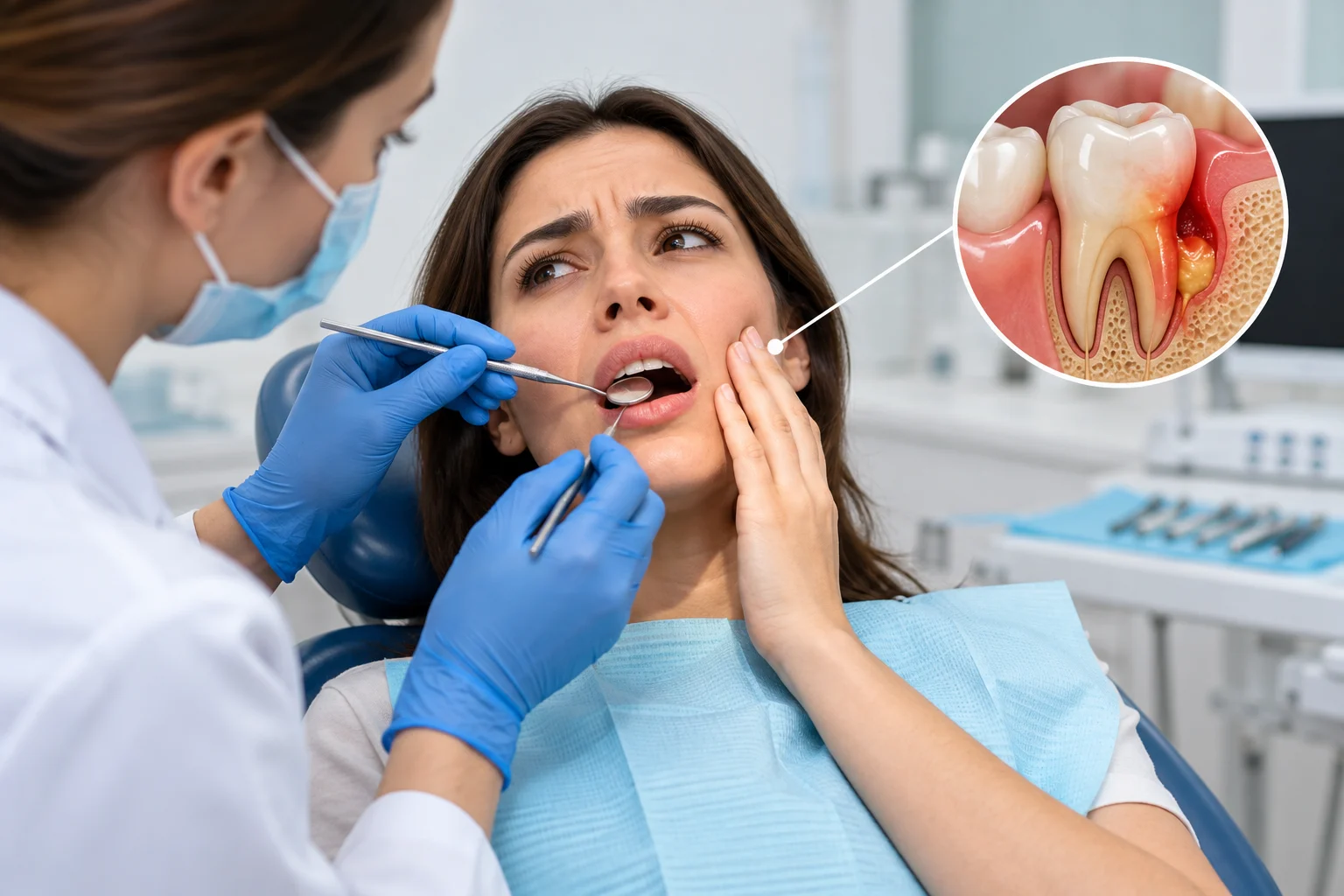
If you have a dental emergency, call a dentist right away and describe your symptoms. What you do in the first few minutes can decide whether a tooth is saved, and a few common instincts, like putting aspirin on a sore tooth, make things worse. This guide sorts out what is truly urgent, what you can do at home, and what can wait until morning.
Is it a dental emergency?
A simple way to decide: if you have severe pain, uncontrolled bleeding, a tooth that has been knocked out or loosened, or swelling that is spreading, treat it as urgent. A chipped tooth that does not hurt, or a lost filling with no pain, is worth a prompt call but is usually not an emergency.
· Knocked out adult tooth: Call us immediately. What to do: Handle by the crown, keep it moist, call right away
· Swelling of the face or jaw, fever: Call immediately, or ER if breathing or swallowing is hard. What to do: Do not wait it out
· Severe, constant toothache: Same day. What to do: Rinse, cold compress, call us
· Cracked or broken tooth with pain: Same day. What to do: Save fragments, rinse, call us
· Bleeding that will not stop: Immediately. What to do: Steady pressure, call us or go to the ER
· Lost crown or filling, no pain: Within a day or two. What to do: Keep the crown, call to book
· Small chip, no pain: Within a few days. What to do: Avoid chewing on it, call to book
Knocked out tooth: act fast
· Pick the tooth up by the crown (the chewing surface), never the root
· If it is dirty, rinse it very briefly with water. Do not scrub it or use soap
· If you can, gently place it back in the socket and bite softly on gauze to hold it
· If you cannot, keep it moist in milk or a tooth preservation solution, not plain water
· Get to a dentist as quickly as you can. Time matters, and the sooner it is replanted the better its chances
The practical answer is simple: call us on the way.
Severe toothache
Rinse with warm water, gently floss in case food is lodged, and use a cold compress on the outside of your cheek. An over the counter pain reliever taken as the label directs can help. Do not place aspirin directly on the gum, and avoid heat on a swollen area.
Constant throbbing, pain when biting, or a gum bump can point to an infection inside the tooth. That often means treatment such as a root canal, and our article on what happens during a root canal shows the steps. Sensitivity that comes and goes is a different pattern, covered in what causes tooth sensitivity.
Cracked, chipped or broken tooth
Rinse with warm water, save any pieces, and use a cold compress for swelling. If a sharp edge is cutting your tongue or cheek, a small piece of sugar free gum or dental wax can cover it until your visit. Cracks are sneaky, since some do not hurt until they spread. Our guide on why teeth crack and how to prevent it explains the common causes.
Depending on the damage, treatment may be a filling, a crown or something more involved. See our pages on fillings and crowns and bridges.
Lost crown or filling
Keep the crown if you have it, and call us. Dental cement from a pharmacy can hold it in place temporarily. Do not use household glue. If a filling falls out and you have no pain, you have some time, but exposed tooth structure can decay fast, so do not let it sit for weeks.
Abscess or facial swelling
A pimple like bump on the gum, a bad taste, fever, or swelling in the face are signs of infection. Rinse with warm salt water and call us the same day. If swelling spreads toward the eye or neck, or you have trouble breathing or swallowing, go to the emergency room and do not wait for a dental appointment.
Dental emergencies in children
Baby teeth and permanent teeth are handled differently. A knocked out baby tooth is generally not put back, because that can harm the tooth developing underneath, but you should still call us. A knocked out permanent tooth is an emergency. Our children's dentistry team can talk you through what to do for your child.
What not to do
· Do not put aspirin or other medication on the gum
· Do not use super glue or household adhesives on a tooth
· Do not ignore swelling or fever hoping it will pass
· Do not scrub a knocked out tooth
· Do not wait for pain to worsen before you call
ER or dentist?
Call your dentist first for most tooth problems, because a dentist can actually repair the tooth. An emergency room can manage bleeding, serious injury, and infections that threaten breathing or swallowing, and can give pain relief, but it generally cannot fix a tooth. If you have a broken jaw, a head injury or trouble breathing, go to the ER.
How we help at Needham Dentistry & Implants
We make every effort to see emergency patients the same day. Please call ahead so we can prepare, and tell the front desk what happened, when it happened, and whether you have swelling or fever. Our office hours are Monday and Wednesday through Friday 9 to 5, and Tuesday 9:30 to 5:30, and we are closed weekends. If something happens outside those hours and it is severe, use the emergency room.
You can read more on our emergency dentistry. If a tooth cannot be saved, we also handle extractions. Call (781) 444-4647 or contact us. We accept most major insurance plans and offer CareCredit, Cherry and in house financing.
FAQs
Q. What counts as a dental emergency?
Severe pain, a knocked out or loosened tooth, uncontrolled bleeding, and facial swelling or fever are urgent. Painless chips and lost fillings should be seen soon but are usually not emergencies.
Q. Can I go to the ER for a toothache?
You can, especially if you have swelling that affects breathing or swallowing, or no dentist is available. The ER can give pain relief and treat infection, but a dentist is needed to fix the tooth itself.
Q. What do I do if my tooth gets knocked out?
Hold it by the crown, rinse it briefly, try to place it back in the socket or keep it in milk, and call a dentist immediately. Speed gives the tooth the best chance.
Q. Will my insurance cover an emergency visit?
Many plans cover emergency exams and necessary treatment, though coverage depends on your plan. Our team can check your benefits and explain your costs.
Q. How can I prevent dental emergencies?
Wear a mouthguard for sports, avoid chewing ice or hard objects, and keep up with checkups so small problems are caught early.


Hours of Operation
Monday, Wednesday–Friday: 9:00 AM - 5:00 PM
Tuesday: 9:30 AM - 5:30 PM
Saturday & Sunday: Closed


© 2026 Needham Dentistry & Implants | All Rights Reserved | Privacy Policy | HIPAA Policy | Digital Marketing by Remedo