
What Causes Tooth Sensitivity? Triggers and When to See a Dentist
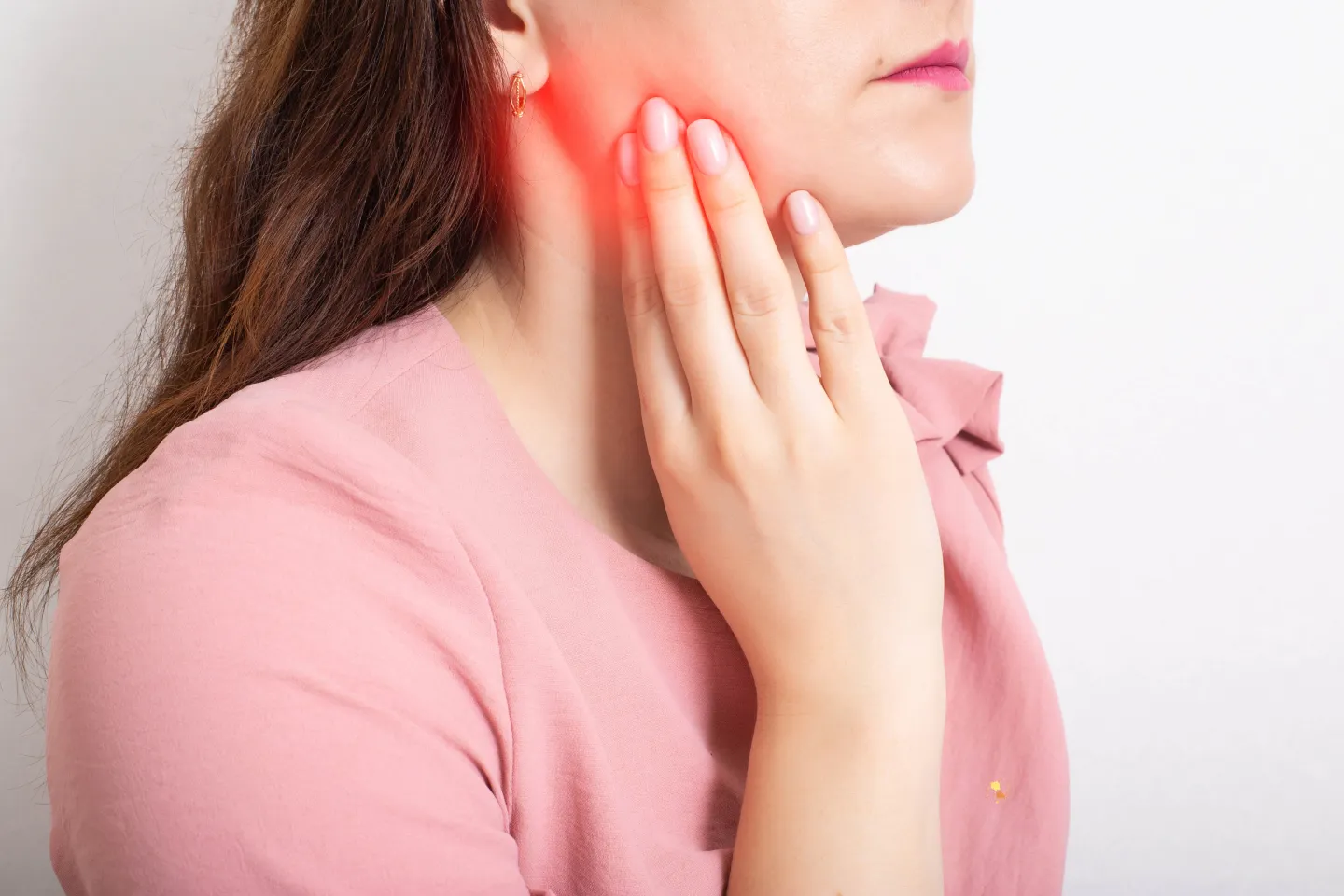
You take a sip of ice water and one tooth lights up. Or it's the first bite of ice cream, or a breath of cold morning air on the walk to the car. It's quick, sharp, and gone before you can figure out what happened. Then it happens again the next day.
If that sounds familiar, you're in good company. Tooth sensitivity is one of the most common complaints dentists hear. The tricky part is that the cause isn't always obvious, and what's going on in one mouth can be very different from the next. At Needham Dentistry & Implants, patients often tell us they've put up with it for months before asking about it. So let's go through what might be behind it, what may help, and when it's smart to book a visit.
What Causes Tooth Sensitivity in the First Place?
Each tooth has a hard outer layer called enamel. Under that sits dentin, which is softer and filled with tiny channels that lead toward the nerve. When enamel wears thin, or the gums pull back, those channels can be exposed. Hot, cold, sweet, or acidic things then reach the nerve more easily, and you feel that zing.
So at its core, sensitive teeth usually come down to exposed dentin. What exposed it is the real question, and there are a handful of usual suspects.
What Are the Most Common Triggers of Sensitive Teeth?
- Worn enamel: Years of acidic foods and drinks, like citrus, soda, and wine, can gradually soften enamel. Brushing too hard can add to the wear, especially with a stiff brush.
- Gum recession: When gums shrink back, the root surface is left exposed. Roots don't have the same protective coating as the crown of the tooth, so they tend to react more.
- Tooth decay: A cavity can cause sensitivity, particularly to sweets. Sometimes that twinge is the first hint something's brewing.
- Cracked or chipped teeth: A small crack may let temperature changes reach the inner layers. These can be hard to spot on your own.
- Teeth grinding: Clenching or grinding at night puts heavy force on enamel. Plenty of people do it without knowing.
- Recent dental work: Fillings, crowns, and whitening treatments can cause temporary sensitivity that often settles down on its own.
Why Do My Teeth Hurt When I Drink Something Cold?
Cold is the classic trigger, and it makes sense once you know about dentin. Cold temperatures cause the fluid inside those tiny channels to shift, which the nerve registers as a sharp, brief jolt. If the feeling fades within seconds, it often points to exposed dentin or mild enamel wear.
Pain that hangs around for a minute or longer after the cold is gone is a different story. That can suggest the nerve is more irritated, and it's worth mentioning to a dentist. Same goes for a tooth that aches on its own, with no trigger at all.
Can Brushing and Whitening Make Tooth Sensitivity Worse?
Sometimes, yes. It surprises people, because brushing is supposed to be the healthy part. Scrubbing hard with a firm brush can wear away enamel and irritate gums over time. A soft-bristled brush and gentle, small circles are usually kinder to your teeth.
Whitening can also bring on temporary sensitivity. Over-the-counter whitening strips and professional treatments both work by penetrating the tooth, and some people feel it afterward. If this happens, take a break and let your dentist know. They may suggest a different approach or a gentler product.
What Helps Sensitive Teeth at Home?
Plenty of people find relief with a few small changes. These tend to be low-risk and easy to try.
- Switch toothpaste: Toothpastes made for sensitive teeth are available over the counter and may help over time with consistent use. Give it a few weeks before deciding.
- Go soft: Use a soft-bristled brush and light pressure.
- Rethink acidic drinks: Sipping soda or citrus drinks all day keeps teeth in an acid bath. Drinking them with a meal and rinsing with water afterward can help.
- Wait before brushing: After something acidic, enamel is a bit softened. Waiting around 30 minutes before brushing is generally a gentler move.
- Ask about a night guard: If you wake up with a sore jaw or headaches, grinding may be part of the picture. A custom guard from your dentist might be worth discussing.
These steps may ease mild sensitivity, but they don't replace an exam. If symptoms continue, home care isn't really the answer anymore.
When Should You See a Dentist for Tooth Sensitivity?
Here's a rough way to think about it. Mild, occasional sensitivity that improves with a gentler routine is usually less urgent. But a few signs mean you shouldn't wait.
Book a visit if sensitivity sticks around for more than a couple of weeks, if it's getting worse, or if it's focused on one tooth. The same goes for pain when you bite down, lingering aches after hot or cold, visible cracks, dark spots, or swelling in the gums. Pain that wakes you at night is also a good reason to call.
Please don't ignore these. Many causes are fairly simple to address when they're caught early, and a quick exam can tell you what's actually happening instead of leaving you to wonder.
How Do Dentists Treat Tooth Sensitivity?
Treatment depends entirely on the cause, which is why the exam comes first. Your dentist will look at your teeth and gums, ask about your habits, and may take X-rays to see what's going on below the surface.
From there, options may include fluoride treatments or desensitizing agents that help protect exposed areas. A filling or bonding may be suggested if there's decay or a worn spot. Gum recession might call for a different approach, and grinding may lead to a custom night guard. In more involved situations, such as a deeply irritated nerve, your dentist will talk you through what care makes sense. You'll have a say in every step.
Schedule a Tooth Sensitivity Exam at Needham Dentistry & Implants
Living with a tooth that flinches at everything isn't much fun, and you don't have to just put up with it. If you've been wondering what causes your tooth sensitivity, the team at Needham Dentistry & Implants can take a careful look and talk through what may be going on.
Whether it's one stubborn tooth or a general sensitivity to hot and cold, we'll listen, check things over, and explain your options in plain language. Contact Needham Dentistry & Implants today to schedule a visit and get some answers for those sensitive teeth.
Frequently Asked Questions About Tooth Sensitivity
Q: Is tooth sensitivity normal?
A: Occasional sensitivity is common and often tied to things like enamel wear or gum recession. Still, it's worth getting checked if it keeps coming back or feels intense.
Q: Can tooth sensitivity go away on its own?
A: Sometimes, especially when it's linked to recent dental work or a short-term habit. If it lingers, a dentist can look for the underlying cause.
Q: Does sensitive toothpaste really work?
A: Many people notice improvement with regular use, though it can take a few weeks and results vary. It tends to work best alongside gentle brushing.
Q: Can a cavity cause tooth sensitivity?
A: Yes, it can. Sensitivity to sweets or a sharp twinge in one tooth may be an early sign, so an exam is a good idea.
Q: Why are my teeth suddenly more sensitive than before?
A: A sudden change can come from a new crack, a cavity, gum recession, grinding, or even recent whitening. Because the reasons vary so much, a dental visit is the most reliable way to sort it out.
Q: Should I stop brushing a sensitive tooth?
A: No. Skipping brushing can allow plaque to build up, which may make things worse. Use a soft brush, gentle pressure, and a toothpaste made for sensitivity.


Hours of Operation
Monday, Wednesday–Friday: 9:00 AM - 5:00 PM
Tuesday: 9:30 AM - 5:30 PM
Saturday & Sunday: Closed


© 2026 Needham Dentistry & Implants | All Rights Reserved | Privacy Policy | HIPAA Policy | Digital Marketing by Remedo