
What Happens During a Root Canal? Step-by-Step Guide & Recovery
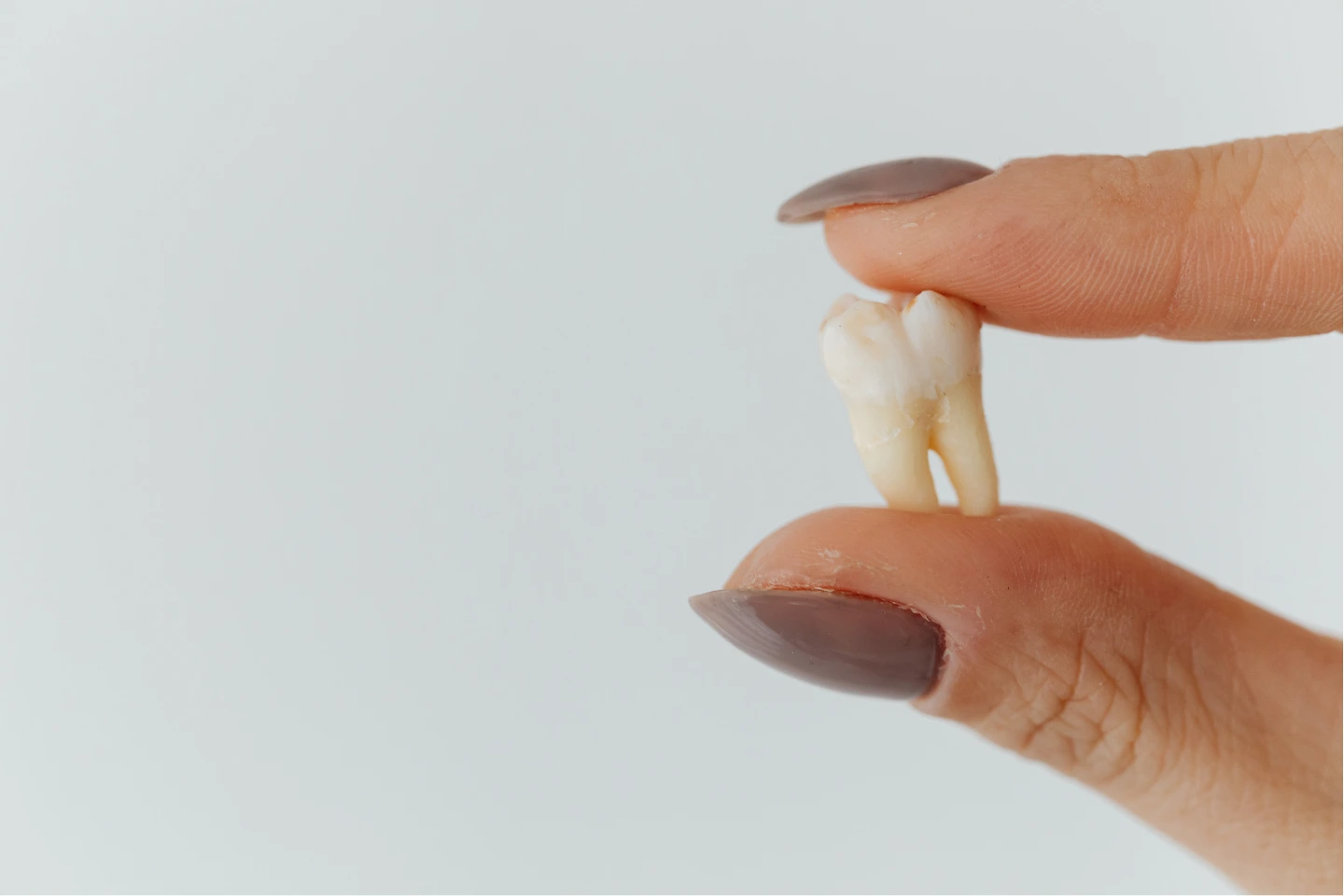
Hearing that you need root canal therapy can bring up a lot of questions. For decades, dental procedures have carried an undeserved reputation for being painful, but modern techniques and gentle care have transformed the experience completely. In reality, root canal therapy is designed to relieve pain rather than cause it, helping you preserve your natural tooth and avoid tooth extraction.
If you are currently dealing with severe tooth pain, temperature sensitivity, or swelling, understanding what happens during a root canal can help put your mind at ease. Here is a realistic, step-by-step breakdown of the root canal process, from initial evaluation through complete recovery.
What Is Root Canal Therapy and How Does It Save Your Natural Tooth?
To understand how root canal therapy works, it helps to look at the structure of a tooth. Beneath the hard white enamel and the supporting dentin layer lies a soft inner tissue known as the pulp. This area contains blood vessels, nerves, and connective tissue that help the tooth develop during childhood. Once a tooth is fully mature, however, it can survive without this inner tissue because surrounding structures continue to nourish it.
When deep tooth decay, repeated dental procedures, or a cracked tooth allows bacteria to enter this inner chamber, the pulp can become infected or inflamed. This often leads to deep throbbing pain, persistent sensitivity, or a painful dental abscess near the root tip.
During root canal therapy, a skilled practitioner carefully opens the tooth, removes the compromised pulp tissue, cleans and disinfects the inner canals, and seals the space to prevent future contamination. By addressing the root canal infection early, you can protect your natural jaw structure, maintain your natural bite, and avoid the need for a tooth extraction.
Clear Signs You Might Need Root Canal Treatment
Not every toothache requires root canal therapy, but certain warning signs indicate that the inner tissue of your tooth may be damaged or infected. Recognizing these symptoms early allows you to seek care before the issue worsens.
Common signs you might need root canal treatment include:
- Persistent Tooth Pain: Continuous, deep discomfort that lingers in your jaw or deep within the tooth structure.
- Sensitivity to Temperature: Sharp discomfort when consuming hot coffee or cold water that lingers long after removing the food or drink.
- Swollen or Tender Gums: Tenderness or visible swelling near the affected area, sometimes accompanied by a small pimple-like bump on the gum line.
- Pain When Chewing: Discomfort or pressure when biting down on food.
- Darkening or Tooth Discoloration: A tooth that appears greyish or dark due to damaged internal blood supply.
- Loose or Tender Teeth: A feeling that the affected tooth is unstable due to underlying inflammation.
If you recognize any of these symptoms, scheduling a dental evaluation promptly can help prevent further complications.
Step-by-Step: What Happens During a Root Canal Procedure?
Knowing what to expect during your appointment can significantly reduce dental anxiety. Modern root canal therapy is typically performed in one or two visits, depending on the severity of the infection and the location of the tooth.
Step 1: Initial Examination and Digital Imaging
Before beginning treatment, your practitioner takes detailed digital X-rays to assess the shape of the root canals and look for any signs of infection in the surrounding bone tissue. This step ensures an accurate diagnosis and custom treatment plan.
Step 2: Anesthetizing the Area for Comfort
Comfort is a top priority throughout the procedure. Local anesthesia is carefully administered to numb the targeted tooth and surrounding gum tissue completely. Most patients report feeling no more discomfort during treatment than they would while receiving a routine filling.
Step 3: Placing a Protective Isolation Barrier
A small rubber sheet, called a dental dam, is placed around the tooth. This keeps the work area clean, dry, and free from saliva while preventing bacteria from spreading into other parts of your mouth during treatment.
Step 4: Accessing and Cleaning the Canals
A small access opening is made in the top surface of the tooth. Using delicate, precise instruments, the clinician removes the inflamed or infected pulp tissue. The interior chamber and root canals are then carefully shaped, rinsed, and sanitized with antibacterial solutions to eliminate lingering bacteria.
Step 5: Sealing the Canals
Once the space is thoroughly cleaned and sanitized, the interior root canals are filled with a biocompatible material called gutta-percha. This rubber-like material is sealed into place using special adhesive cement to ensure a tight seal against future bacterial entry.
Step 6: Placing a Temporary or Permanent Restoration
To finish the initial procedure, a temporary filling is placed over the access opening to protect the interior until a permanent dental crown can be crafted and fitted. In some cases, a permanent restoration can be placed during the same visit.
Recovering After Root Canal Therapy: What to Expect and How to Heal
Once the local anesthesia wears off, it is normal to experience mild tenderness or sensitivity in the treated area for a few days. This is usually the result of natural tissue inflammation around the root and is typically manageable with simple home care strategies.
To ensure a smooth root canal recovery process, consider these helpful self-care steps:
- Manage Initial Discomfort: Over-the-counter pain relievers, used according to package directions or your care team's guidance, can help alleviate temporary soreness.
- Avoid Chewing on the Treated Tooth: Hold off on chewing hard or sticky foods on the side of the treated tooth until your permanent dental crown or final restoration is placed.
- Maintain Good Oral Hygiene: Continue brushing and flossing daily, taking gentle care around the healing gum tissue.
- Choose Soft Foods: Soft foods such as yogurt, smoothies, warm soups, scrambled eggs, and mashed potatoes are gentle on your healing mouth during the first day or two.
- Contact Your Care Team if Needed: If you experience severe pain, visible swelling that worsens, or an uneven bite, reach out to your dental office promptly for advice.
Restoring Your Smile: Why Final Dental Crowns Matter
While root canal therapy removes the infection from inside your tooth, the tooth structure itself can become more brittle over time without its original vascular supply. Placing a custom-fitted dental crown is a vital final step in protecting your investment and maintaining your long-term oral health.
A permanent crown caps the treated tooth, protecting it against fracture, restoring its full bite strength, and seamlessly matching your natural teeth in shape and shade. With proper oral hygiene and regular professional cleanings, a tooth saved by root canal therapy can last a lifetime.
Schedule Your Root Canal Evaluation at Needham Dentistry & Implants
If you are experiencing persistent tooth discomfort or have been told you may need root canal therapy, prompt care is essential to protecting your smile. At Needham Dentistry & Implants, our compassionate team is dedicated to providing gentle, high-quality care tailored to your unique needs. We prioritize your comfort at every step, helping you find relief from pain and preserving your healthy, natural tooth. Contact Needham Dentistry & Implants today to schedule your consultation and take the first step toward lasting oral health.
Frequently Asked Questions About Root Canal Therapy
Q: Is root canal therapy painful during the procedure?
A: Modern root canal therapy is designed to be virtually pain-free. Local anesthesia numbs the tooth and surrounding area, so you should feel pressure during the process rather than sharp discomfort.
Q: How long does a root canal procedure take?
A: Most root canal therapy appointments last between 60 and 90 minutes per tooth. Complex cases or multi-rooted molars may require a second visit to ensure complete cleaning and sealing.
Q: Can I go back to work or school after a root canal?
A: Yes, most people return to their normal daily routines immediately after their appointment. You may feel slight numbness for a few hours, so take caution when eating or drinking warm liquids.
Q: What is the difference between root canal therapy and tooth extraction?
A: Root canal therapy preserves your natural tooth by removing internal infection, whereas tooth extraction removes the entire tooth structure. Preserving your natural tooth helps maintain your original jawbone alignment and eliminates the need for bridge or implant replacements.
Q: How do I care for my tooth after treatment?
A: Maintain consistent daily brushing and flossing, avoid biting hard foods until your permanent crown is fitted, and schedule regular checkups with your dental team to ensure long-term health.


Hours of Operation
Monday, Wednesday–Friday: 9:00 AM - 5:00 PM
Tuesday: 9:30 AM - 5:30 PM
Saturday & Sunday: Closed


© 2026 Needham Dentistry & Implants | All Rights Reserved | Privacy Policy | HIPAA Policy | Digital Marketing by Remedo