
Why Do Teeth Crack? Common Causes and How to Prevent Them
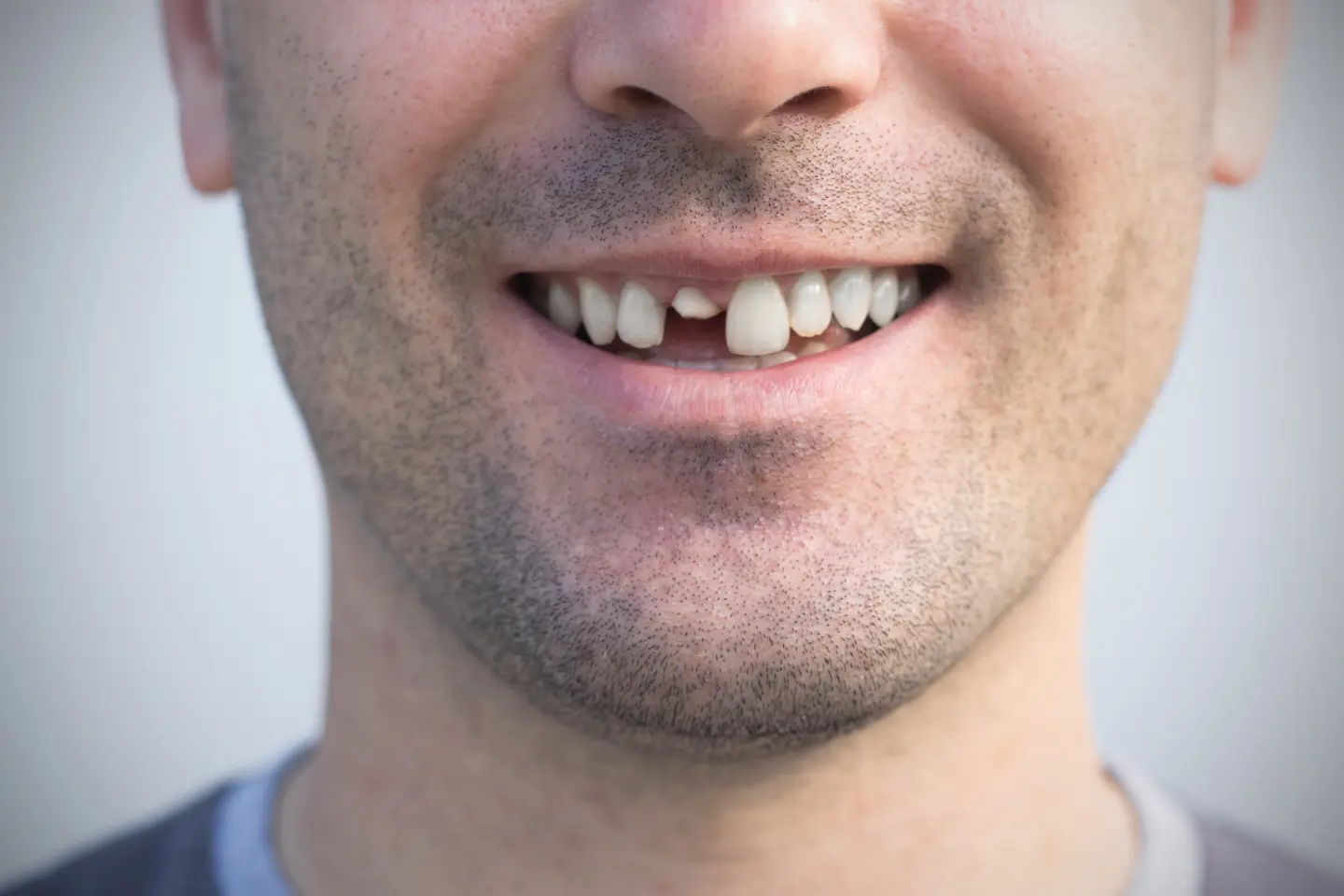
A small crack in a tooth rarely announces itself right away. It might show up as a twinge when you bite into something cold, a dull ache that comes and goes, or a sharp jolt of pain when you chew on one particular side of your mouth. The signs can be subtle at first. So a lot of people don't realize anything's wrong until the crack's already grown deeper. So how do you know if what you're feeling is actually a cracked tooth? And how do you figure out what's putting your teeth at risk in the first place? That's really the two-part question worth answering: what's causing the crack, and which of your daily habits (or dental circumstances) are pushing you toward one.
Understanding your own risk factors matters more than memorizing a generic list of "don'ts." Two people can have very different reasons for developing a cracked tooth. The right prevention strategy depends on which factors actually apply to you.
What Actually Causes Teeth to Crack
Teeth are strong, but they aren't indestructible. And they're not designed to bend. Enamel is rigid, which is great for chewing, but it means that when a tooth gets hit with uneven or excessive pressure, it can fracture instead of flex. Here are the most common cracked tooth causes we see.
Teeth Grinding and Clenching
Grinding your teeth at night, known as bruxism, is one of the leading cracked tooth causes among adults. The forces generated during grinding are often far greater than what your teeth experience during normal chewing. Over months or years, this repeated stress creates tiny fracture lines. And those lines deepen.
Chewing on Hard Objects
Ice, popcorn kernels, hard candy, pen caps, even fingernails. All of it puts a tooth at risk. A single bite down on something unexpectedly hard, like a piece of shell in seafood or a small bone, can be enough to crack a tooth instantly.
Large Fillings or Weakened Tooth Structure
A tooth that's had a large filling or a previous root canal has less natural structure left to support it. These teeth are more brittle. They're more prone to fracture under normal biting forces, no big deal until suddenly it is.
Temperature Extremes
Going from something very hot to something very cold (think hot coffee followed by ice water) can cause enamel to expand and contract quickly. Over time, this can contribute to small cracks, especially in teeth that already have fillings.
Age-Related Wear
Most cracked teeth show up in people over 50, simply because enamel has had decades to wear down and absorb stress. This doesn't mean younger patients are immune. But age is a genuine factor worth considering.
Trauma or Injury
A blow to the face, a fall, or a sports injury can crack a tooth immediately. Or it can create a hairline fracture that stays quiet for years before it causes any symptoms at all.
How to Know Which Risk Factors Apply to You
This is where the decision-making part comes in, because prevention only works when it's aimed at your actual habits. Ask yourself a few honest questions.
Do you wake up with jaw soreness or headaches? That's often a sign of nighttime grinding, even if you're not aware you're doing it.
Do you regularly chew ice or bite into hard snacks? If so, that habit alone may be the single biggest thing to change.
Do you have several fillings or a root canal in one particular tooth? That tooth deserves extra attention, and possibly a protective crown, since it's structurally weaker than your other teeth.
Are you over 50, or do you have a family history of dental fractures? If so, routine checkups become even more important for catching small cracks early.
Have you had a facial injury, even a minor one, in the past? Sometimes a crack from an old injury doesn't cause pain until years later.
Answering these honestly helps you and your dentist figure out where to focus. Someone who grinds their teeth at night needs a different prevention plan than someone whose main risk is a habit of chewing ice. Sound familiar, any of this?
How to Prevent Cracked Teeth
Once you know your risk factors, prevention gets a lot more specific. And a lot more manageable.
Wear a Nightguard If You Grind
If grinding is your main risk factor, a custom nightguard is one of the most effective ways to protect your teeth. Over-the-counter versions exist, but a custom-fitted one spreads pressure more evenly. It's more comfortable for nightly use too, which matters when you're wearing something every single night.
Break the Habit of Chewing Hard Objects
This one's straightforward but not exactly easy. If ice chewing or nail biting is part of your routine, replacing the habit (or just being more mindful of it) can meaningfully lower your risk.
Address Weak Teeth Before They Crack
If you have a tooth with a large filling or a root canal, talk with your dentist about whether a crown would add reinforcement. This is usually a proactive step, done before a crack forms rather than after. Easier said than done, sure. But worth the conversation.
Avoid Sudden Temperature Extremes
Try not to bounce back and forth between very hot and very cold foods or drinks, especially if your teeth already feel sensitive.
Wear a Mouthguard During Sports
If you play contact sports or do anything with a real fall risk, a properly fitted mouthguard cuts down your chances of a trauma-related fracture. Significantly.
Keep Up with Regular Dental Checkups
Small cracks are often invisible to the naked eye. But they can be spotted during a routine exam, especially with the help of dental X-rays. Catching a crack early, before it reaches the tooth's nerve, usually means simpler and less invasive treatment.
Ready to Get Started?
If you've noticed sensitivity, discomfort while chewing, or you're just concerned about your risk for a cracked tooth, it's worth getting it looked at rather than waiting for the pain to get worse.
Here's the thing: at Needham Dentistry & Implants, we take time to understand your specific habits and history so any recommendations actually fit your situation instead of handing you a one-size-fits-all answer. Patients near Needham, MA, can schedule an evaluation with our team to check for early signs of cracking and talk through prevention strategies that actually suit their daily life. Whether you're dealing with existing discomfort or just want a professional opinion on your risk factors, our practice in Needham, MA, is here to help you protect your smile for the long run.
FAQs
Q: What does a cracked tooth feel like?
A: It often feels like sharp pain when biting down, followed by a quick release of pain afterward. Sensitivity to hot, cold, or sweet foods is also common. Some cracks cause intermittent discomfort that comes and goes rather than constant pain.
Q: Can a cracked tooth heal on its own?
A: No. Unlike bone, tooth structure can't repair itself once cracked. The crack may stay small and stable for a while, but it won't close up or heal without treatment. It can worsen over time if left alone.
Q: Is a cracked tooth an emergency?
A: Depends on how bad it is. A minor craze line usually isn't urgent, but a crack causing real pain, sensitivity, or a visible fragment of tooth missing should be looked at promptly to prevent further damage or infection.
Q: Can teeth crack from grinding even if I don't feel pain at night?
A: Yes. Plenty of people grind their teeth without ever waking up or realizing it. Morning jaw soreness, headaches, or a dentist spotting wear patterns are often the first clues, even without any nighttime awareness at all.
Q: Are certain teeth more likely to crack than others?
A: Molars, which handle most of the force during chewing, crack more often than front teeth. Teeth with large fillings or previous root canal treatment are also more prone to fracture, thanks to reduced structural support.


Hours of Operation
Monday, Wednesday–Friday: 9:00 AM - 5:00 PM
Tuesday: 9:30 AM - 5:30 PM
Saturday & Sunday: Closed


© 2026 Needham Dentistry & Implants | All Rights Reserved | Privacy Policy | HIPAA Policy | Digital Marketing by Remedo