
What Happens If You Delay Replacing a Missing Tooth?
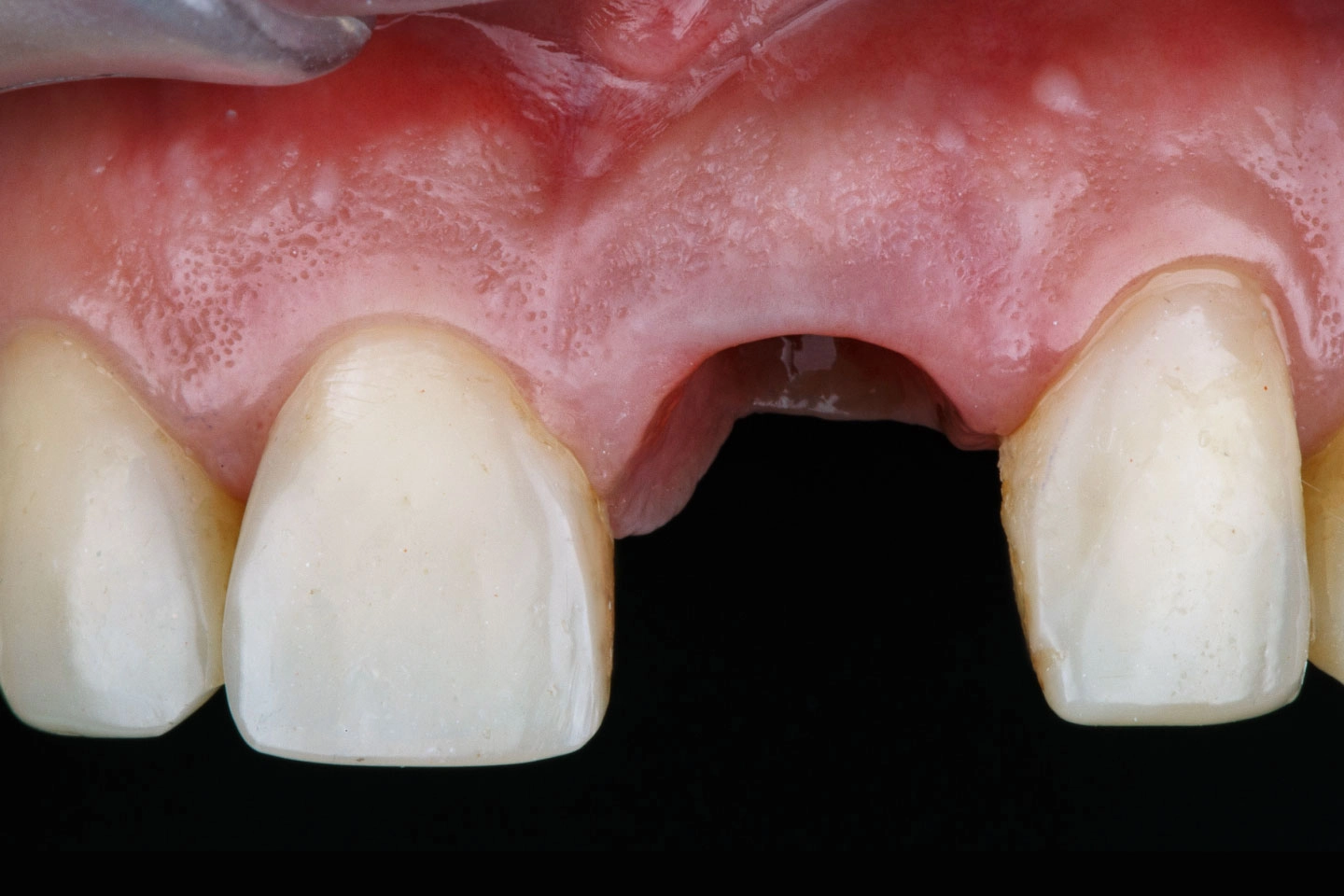
Losing a tooth feels manageable at first. You adjust how you chew. Maybe you start favoring one side of your mouth without even thinking about it, and life goes on. But that small adjustment has a way of quietly reshaping your daily routine, and you might not notice how much until months or years down the road. So if you're weighing whether to replace a missing tooth now or just wait it out, it helps to know what that waiting period actually looks like in practical terms. Before we even get into the clinical side of things.
The Everyday Impact Nobody Talks About
When a tooth goes missing, the first changes show up in the small, unglamorous parts of your day. Eating becomes a negotiation. Foods you used to enjoy without thinking, a crisp apple, a piece of steak, now require a mental calculation about which side of your mouth can handle the job. Over time, people drift toward softer foods. That can affect nutrition, and honestly, it just takes some of the enjoyment out of meals.
Speech can shift too, especially if the missing tooth is toward the front. Certain sounds get harder to form cleanly. Some patients tell us they catch themselves talking with a hand near their mouth out of habit, or avoiding certain words in conversation altogether. It's a subtle thing. But it adds up over weeks and months.
Then there's the self-consciousness factor. Even a missing molar that nobody else can see has a way of affecting how confident you feel when you laugh or eat in front of others. That mental weight, more than anything else, is often what brings people into our office at Needham Dentistry & Implants after putting it off for a while.
The Time Cost of Waiting
Here's something people don't always expect: waiting doesn't save time. It usually costs more of it. A straightforward tooth replacement handled early on tends to involve fewer appointments and a more predictable timeline. Once bone and gum tissue start changing shape (which happens naturally once a tooth is gone), additional steps like bone grafting may become necessary before a replacement can even be placed. More visits. More healing time. A longer process overall than if the gap had been addressed sooner.
The Cost Conversation
We know cost is often the reason people delay replacing a missing tooth in the first place. But it's worth looking at the fuller picture. When a gap is left untreated, neighboring teeth often shift or tilt into the space, and opposing teeth can over-erupt. Left unaddressed, this can lead to bite problems, uneven wear, and sometimes the need for orthodontic treatment down the line, on top of the original replacement. What looked like a way to save money in the short term can end up costing more once you factor in the extra treatments. The catch is, by the time you notice the bigger problem, you're already paying for it.
The Consequences of Missing Teeth on Your Bite and Jaw
Beyond the daily inconveniences, there are physical changes happening beneath the surface. Your teeth aren't just sitting in your jaw independently. They rely on each other for support, spacing, and pressure distribution. When one tooth is missing, neighboring teeth can start drifting toward the empty space. This shifting changes your bite alignment, which can then lead to uneven pressure when you chew, jaw discomfort, and in some cases, tension headaches.
The jawbone itself responds to the absence of a tooth, too. Bone tissue needs the stimulation of chewing forces to maintain its density in that area. Without a tooth root present, the bone gradually begins to resorb, or shrink, in that specific spot. Slow process. Often unnoticeable at first. But over time it can change the shape of your face slightly and make future replacement options more limited if too much bone is lost.
Gum Health and Long-Term Oral Function
An empty space in your smile is also harder to keep clean. Food particles tend to collect near the gap, and the shifting of neighboring teeth can create new pockets and angles that are tricky to reach with a regular toothbrush. This raises the risk of gum disease and further tooth decay in the surrounding teeth. And that can start a cycle where one missing tooth contributes to the loss of others nearby.
Why Addressing It Sooner Tends to Be More Straightforward
Replacing a missing tooth earlier rather than later generally means simpler treatment planning. The bone and gum tissue are closer to their natural state, neighboring teeth haven't shifted much, and the bite hasn't had time to adjust to the gap. Depending on your specific situation, options like dental implants, bridges, or partial dentures may come up, and our team at Needham Dentistry & Implants will walk you through what fits your mouth, your goals, and your timeline.
What This Looks Like in Practice
During a consultation, we typically look at the condition of the surrounding teeth, the amount of bone present, and your overall oral health history. From there, we talk through realistic options and what the process and timeline would look like for each one. Patients near Needham, MA often come in after noticing one of the day-to-day issues mentioned earlier: difficulty chewing, a shift in their bite, or just wanting to get ahead of the problem before it gets more complicated to treat.
Ready to Get Started?
If you've been putting off replacing a missing tooth, this is a good time to talk about what your situation actually looks like today. The sooner it's addressed, the more straightforward the process tends to be. Our team at Needham Dentistry & Implants, serving patients in and around Needham, MA, is available to walk through your options and answer any questions you have about timeline, cost, and what to expect. Reach out to schedule a visit and take that first step toward a fuller, more comfortable smile.
FAQs
Q: How long can I safely wait before replacing a missing tooth?
A: There's no single timeline that applies to everyone. It depends on which tooth is missing and your overall oral health. That said, waiting longer generally increases the chances of shifting teeth, bone loss, and bite changes, so it's worth having an evaluation sooner rather than later.
Q: Does a missing back tooth matter if no one can see it?
A: Yes. Even molars that are not visible when you smile play an important role in chewing function and bite alignment. Leaving a back tooth unreplaced can still lead to shifting, bone loss, and strain on other teeth over time.
Q: Will my insurance help cover tooth replacement?
A: Coverage varies by plan and provider. Our team at Needham Dentistry & Implants can help you understand what your specific plan covers and talk through payment options during your visit.
Q: What are the most common consequences of missing teeth if left untreated for years?
A: Long-term, patients often see shifting or tilting teeth, changes to their bite, jawbone loss in the area, and a higher risk of gum disease around the gap. These changes can make future treatment more involved than if the tooth had been replaced earlier.
Q: Are there different replacement options depending on how long I waited?
A: Yes. The options available depend on how much bone and gum tissue remain in the area. This is something we assess during a consultation so we can walk through what's realistic for your specific mouth and goals.


Hours of Operation
Monday, Wednesday–Friday: 9:00 AM - 5:00 PM
Tuesday: 9:30 AM - 5:30 PM
Saturday & Sunday: Closed


© 2026 Needham Dentistry & Implants | All Rights Reserved | Privacy Policy | HIPAA Policy | Digital Marketing by Remedo