
How to Prepare for Dental Implant Surgery
So you've decided to move forward with dental implants. That's a big step, and if you're anything like most patients, you probably have a running list of questions in your head right now. What should I eat beforehand? Do I need someone to drive me home? How much will this actually hurt? If you're getting dental implants in Needham, MA soon, this guide is meant to walk you through the practical side of preparation so you can walk into your appointment feeling ready instead of anxious.
Let's go through what typically happens in the days leading up to surgery, what the day itself tends to look like, and a few things that make recovery go more smoothly.
What Happens Before Your Dental Implant Surgery Appointment
Preparation for dental implants in Needham, MA usually starts well before the actual surgery date. Your dentist will likely have already completed imaging, like a CT scan or X-rays, to map out your jawbone and plan exactly where the implant will go. This planning stage matters more than people realize, since it helps avoid surprises once the procedure begins.
In the week or so leading up to surgery, your dental team will probably go over a few basics with you. This might include reviewing any medications you're currently taking, since some can affect bleeding or healing and may need to be paused temporarily under your doctor's guidance. If you smoke, your dentist may also bring this up again, since smoking has been associated with slower healing after implant placement.
You'll also want to arrange a ride home if sedation is part of your plan, since you won't be able to drive yourself afterward. Clearing your schedule for the rest of the day, and ideally the day after, gives you room to rest without feeling rushed.
What to Eat and Avoid the Day Before Surgery
Food matters more than you might think when it comes to prepping for dental implants in Needham, MA. If you're being sedated, your dentist will likely ask you to avoid eating or drinking for a set number of hours beforehand, so pay close attention to those instructions since they exist for your safety during the procedure.
If sedation isn't part of your plan, eating a light, balanced meal a few hours before your appointment can help keep your energy steady. It's also worth stocking your kitchen ahead of time with soft foods for after surgery. Think mashed potatoes, yogurt, smoothies, and soups. Having these ready before your appointment means you won't be standing in a grocery store aisle the next day trying to figure out what you can actually chew.
What to Expect on the Day of Your Implant Procedure
Walking into the office on surgery day, you can expect your dental team to walk you through the process one more time before getting started. Local anesthesia is used to numb the area, and depending on your treatment plan, some form of sedation may be offered as well to help you stay relaxed throughout.
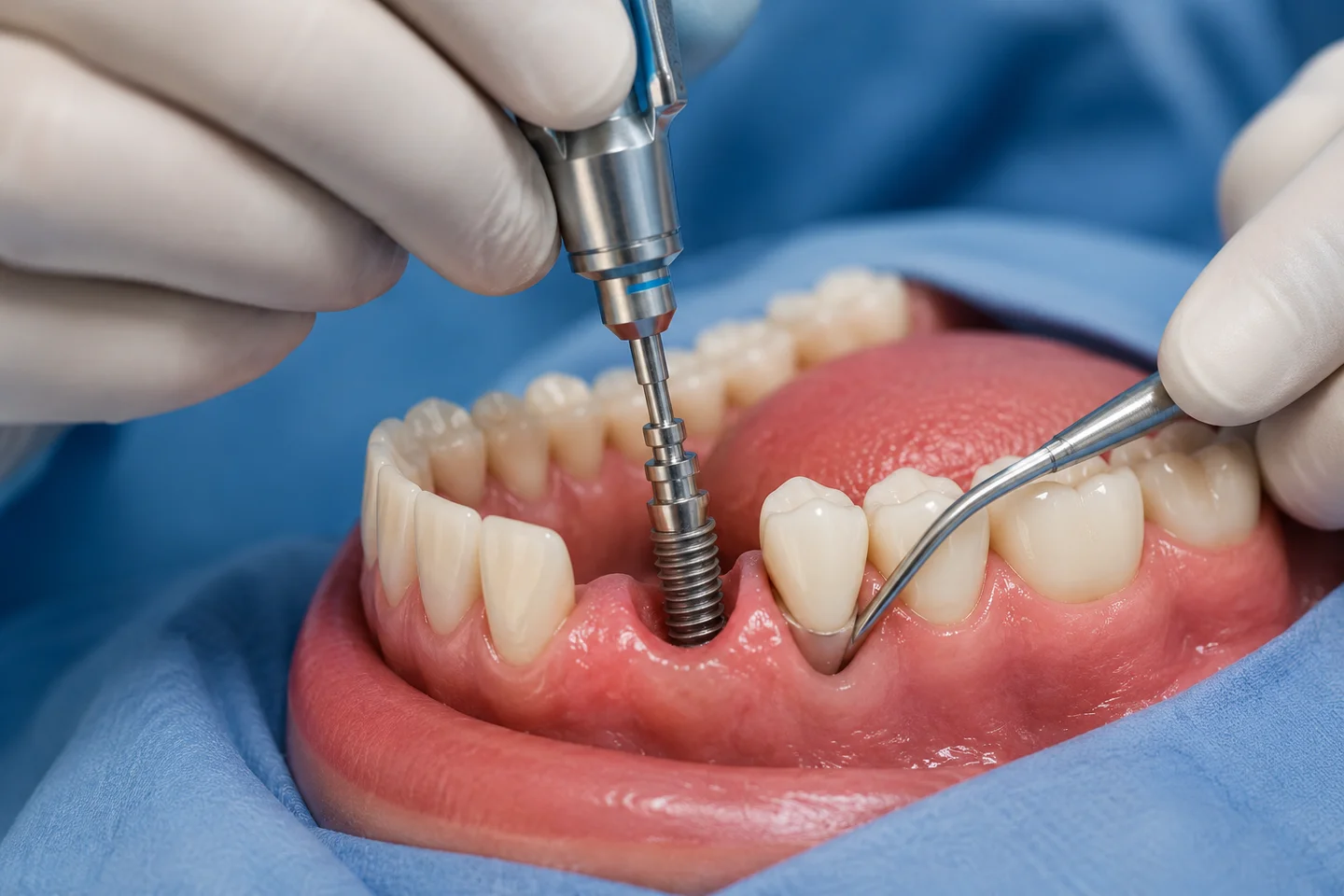
The procedure itself involves placing the implant, which is a small titanium post, directly into the jawbone where it will eventually support your new tooth. Many patients are surprised at how straightforward the actual appointment feels compared to what they imagined beforehand.
Afterward, you'll get specific instructions on caring for the surgical site while it begins to heal.
Since dental implants in Needham, MA typically involve a healing period before the final crown is attached, don't expect to leave with a finished tooth that same day. This is a normal and expected part of the process, not a sign that anything went wrong.
How to Care for Yourself in the First Few Days After Surgery
The first 48 to 72 hours after implant placement are usually when most of the discomfort shows up, though this tends to ease fairly quickly for most patients. Some swelling and mild soreness around the surgical site is common and generally expected.
Over-the-counter pain relief options are often enough to manage discomfort, though your dentist may recommend something specific based on your situation. Applying a cold compress to the outside of your cheek during the first day can also help reduce swelling.
Stick to soft foods for the first several days, and try to chew on the opposite side of your mouth if possible. Avoid using a straw, since the suction can interfere with healing. Gently rinsing with warm salt water, starting a day or so after surgery, can also support the healing process, though your dentist will give you specific timing based on your case.
Red Flags to Watch for During Recovery
Most recoveries go smoothly, but it helps to know what's worth a call to your dentist versus what's just part of normal healing. Mild swelling, some tenderness, and slight bruising are all common in the first few days.
That said, if you notice increasing pain rather than gradual improvement, persistent bleeding that doesn't slow down, or signs of infection like fever or pus near the implant site, reach out to your dental office promptly. Catching an issue early tends to make it easier to address.
Long-Term Care After Dental Implants in Needham, MA
Once the initial healing period passes and your final crown is placed, caring for your implant becomes fairly similar to caring for a natural tooth. Regular brushing, flossing, and routine dental checkups all play a role in keeping the implant and surrounding tissue healthy over the long run.
Sticking with your scheduled follow-up visits also matters, since your dentist will want to check on how the implant is integrating and functioning over time. Good home care combined with consistent professional checkups tends to support the longevity of your implant.
Get Personalized Guidance from Needham Dentistry & Implants
Preparing for dental implant surgery feels a lot less overwhelming when you know what to expect and have a team guiding you through each step. At Needham Dentistry & Implants, we walk every patient through a clear, personalized plan before, during, and after treatment, so you always know what's coming next. If you're considering dental implants in Needham, MA, reach out to Needham Dentistry & Implants today to schedule a consultation and start preparing with confidence.
Frequently Asked Questions
Q: How long before surgery should I stop eating if I'm being sedated?
A: Your dentist will give you specific instructions, but it's typically several hours beforehand. Following these guidelines closely helps keep the procedure safe.
Q: Will I need someone to drive me home after implant surgery?
A: If sedation is part of your treatment plan, yes, you'll need someone to drive you home afterward since it won't be safe to drive yourself.
Q: How much pain should I expect after getting a dental implant?
A: Most patients experience mild to moderate discomfort in the first few days, which is usually manageable with over-the-counter pain relief and tends to improve steadily.
Q: When can I go back to eating normal food after surgery?
A: Soft foods are recommended for the first several days, with a gradual return to your normal diet as the surgical site heals, and your dentist gives the go-ahead.
Q: How long does it take for a dental implant to fully heal?
A: Healing time varies by patient, but it generally takes a few months for the implant to properly integrate with the jawbone before the final crown is placed.
Q: What should I do if I notice unusual swelling or pain after surgery?
A: Some swelling and soreness is normal early on, but if symptoms worsen instead of improving, or you notice signs of infection, contact your dental office right away.


Hours of Operation
Monday, Wednesday–Friday: 9:00 AM - 5:00 PM
Tuesday: 9:30 AM - 5:30 PM
Saturday & Sunday: Closed


© 2026 Needham Dentistry & Implants | All Rights Reserved | Privacy Policy | HIPAA Policy | Digital Marketing by Remedo