
How Dental Implants Help Prevent Jawbone Loss Over Time
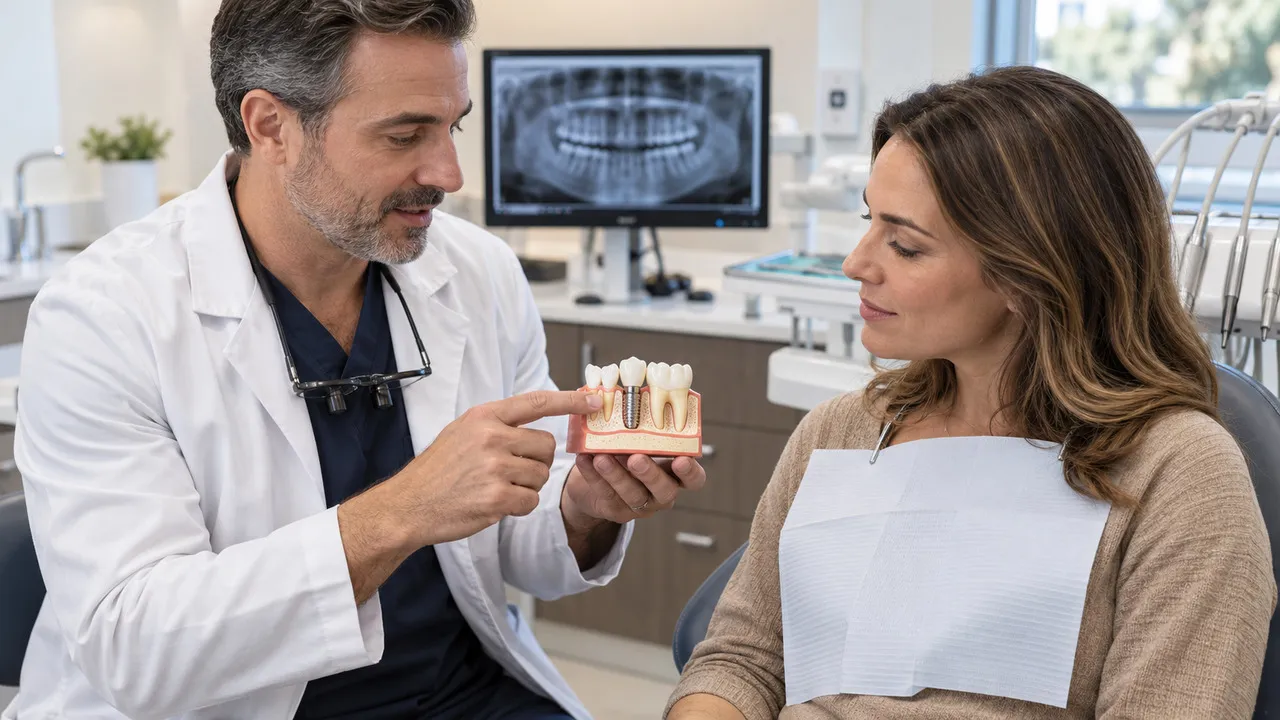
Here's something most people don't think about until a dentist brings it up: a missing tooth isn't just a gap you can see in the mirror. Something is also happening underneath, in the bone itself, and it starts a lot sooner than most patients expect. That's part of why dental implants in Needham, MA come up so often when someone asks about long-term tooth replacement. Implants do something bridges and dentures generally can't. They help hold onto the bone that's actually supporting your jaw.
So let's get into it. Why does losing a tooth affect your bone in the first place? How does that connect back to implants? And why do dentists keep bringing this up like it's urgent?
Why Does Losing a Tooth Cause Jawbone Loss?
Your jawbone isn't just sitting there doing nothing. It responds to pressure. Every time you bite down or chew, your tooth roots send that force down into the bone, and that stimulation is part of what keeps the bone dense and intact. Think of it a bit like a muscle that needs regular use.
Take the tooth away, and that stimulation disappears in that spot. No signal, no reason for the body to maintain that bone, so it starts breaking it down and reabsorbing it. Dentists call this bone resorption. It can start within a few months of losing a tooth, sometimes sooner, and it doesn't really stop on its own if the gap sits there untreated.
This is a big part of why dentists tend to push dental implants in Needham, MA fairly early after a tooth is lost. Wait too long, and there's simply more bone to lose, which can complicate things later.
How Implants Step In Where a Natural Root Used To Be
This is really where implants pull ahead of other options. A dental implant is a small titanium post placed straight into the jawbone. It's standing in for the root that used to be there. Once it fuses with the surrounding bone, a process dentists call osseointegration, it starts doing something a bridge or a denture just can't do. It sends chewing pressure back down into the bone, the same way a natural tooth root would.
That ongoing pressure is exactly what helps keep the bone from shrinking the way it otherwise would. A lot of patients looking into dental implants in Needham, MA are honestly surprised to hear that this bone-preserving piece is one of the bigger long-term advantages, maybe even more than the cosmetic side of things.
Why Bridges and Dentures Skip This Part Entirely
Bridges and dentures aren't bad options. They restore your smile, they help you chew, they do their job. But neither one touches what's happening in the bone underneath, and that's the catch.
A bridge rests on top of the gum and leans on the teeth next to it for support. There's no root doing anything at the site where the tooth used to be, so no stimulation gets sent down into that bone. Dentures work in a similar way, sitting on the gum tissue rather than fusing with anything underneath. As the bone keeps shrinking under a denture over the years, a lot of patients notice their denture starts feeling looser, which usually means more adjustments, more relines, more trips back to the dentist.
This is exactly why so many people researching dental implants in Needham, MA end up landing on implants specifically for what they do for bone health, on top of everything else.
What Happens If This Goes Unaddressed for Too Long
Ignore it long enough, and a few things start to show. The jawline itself can change shape, sometimes giving the face a slightly sunken look where the tooth used to be. Nearby teeth can drift into the open space too, which throws off your bite and can create a whole new set of dental headaches.
In cases where bone loss has gone on for a while, getting an implant later can mean an extra step first, usually a bone grafting procedure to rebuild enough volume to work with. Which, again, is why dentists tend to bring this up early. Waiting often just adds steps.
So Are You a Good Candidate for Implants Right Now?
If you've lost a tooth recently, or you've had a gap sitting there for a while now, it's worth talking to a dentist about dental implants in Needham, MA sooner rather than later. An evaluation, usually involving some imaging, will tell you where your bone density actually stands and whether a graft needs to happen first.
And if some bone loss has already happened? That doesn't automatically close the door. A lot of patients who don't quite qualify right away become candidates after a grafting procedure. Worth asking rather than assuming implants aren't in the cards.
The Payoff of Choosing Implants Sooner Rather Than Later
Going with dental implants in Needham, MA earlier tends to pay off in more ways than just a finished smile. You're also holding onto more of your natural bone structure, which tends to make future dental care simpler down the line.
Patients who replace a missing tooth with an implant generally keep a more stable jawbone compared to those who go with a removable option, or worse, leave the gap alone entirely. That stability helps hold facial structure in place too, and it takes pressure off the teeth nearby that would otherwise start shifting to fill the space.
Protect Your Jawbone with Needham Dentistry & Implants
If you're trying to figure out your options after losing a tooth, understanding what implants do for your jawbone can make the decision a lot clearer. At Needham Dentistry & Implants, we take the time to check your bone health and talk through what dental implants in Needham, MA would actually look like for your specific case, bone graft or not. Reach out to Needham Dentistry & Implants to set up a consultation and get ahead of any further bone loss.
Frequently Asked Questions
Q: How soon after losing a tooth does jawbone loss start?
A: It can begin within a few months. The process tends to keep going gradually if the gap is left untreated for a longer stretch.
Q: Can an implant undo bone loss that already happened?
A: Not exactly. Implants help stop further loss by restoring stimulation, but noticeable existing bone loss usually needs a grafting procedure before an implant can go in.
Q: Why doesn't a denture protect the jawbone the way an implant does?
A: A denture sits on the gum rather than fusing with the bone, so it never provides the root-level stimulation that keeps bone density up.
Q: How can I tell if I've got enough bone for an implant?
A: Your dentist checks this with imaging, usually a CT scan or X-ray, during a consultation, and will tell you if a graft needs to happen first.
Q: I've had a missing tooth for years. Is it too late for an implant?
A: Not necessarily. Extended bone loss can complicate things, but plenty of patients still become candidates once bone volume is addressed through grafting.
Q: Does a bridge do anything to protect the bone underneath?
A: Not really. A bridge depends on neighboring teeth for support and doesn't send any stimulation into the bone where the tooth was lost.


Hours of Operation
Monday, Wednesday–Friday: 9:00 AM - 5:00 PM
Tuesday: 9:30 AM - 5:30 PM
Saturday & Sunday: Closed


© 2026 Needham Dentistry & Implants | All Rights Reserved | Privacy Policy | HIPAA Policy | Digital Marketing by Remedo