
Wisdom Teeth Removal: What Recovery Really Looks Like
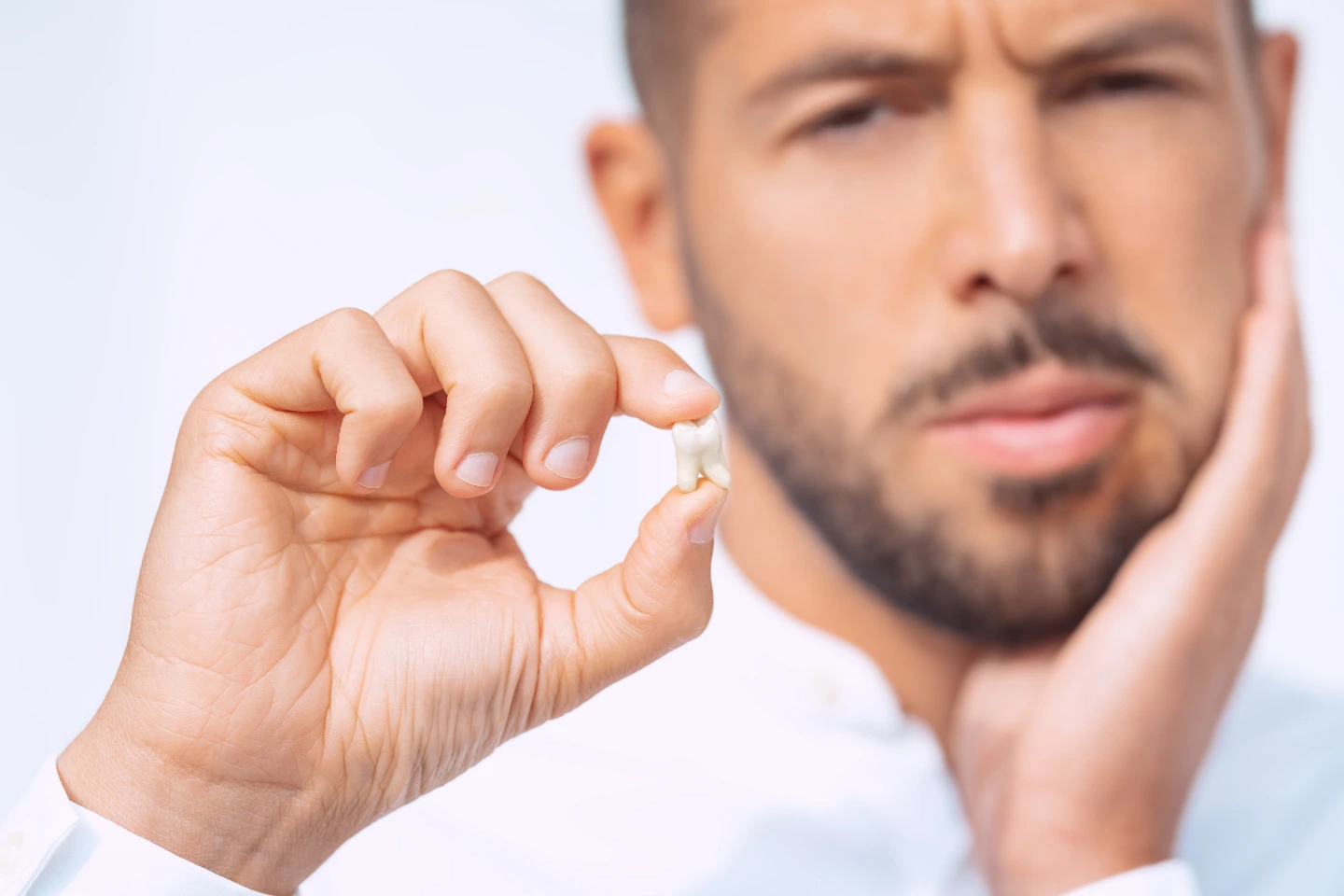
Most wisdom teeth removal is routine, and most people are back to normal within a few days to a week. The part that worries people is not the procedure. It is the unknowns: how much will it hurt, how long will I look puffy, and what exactly counts as a problem. This guide answers those, day by day.
Do your wisdom teeth actually need to come out?
Not every wisdom tooth needs to go. Teeth that have erupted fully, sit upright, and can be cleaned properly are often left alone and watched. Removal is usually recommended when a tooth is impacted (stuck under the gum or against the next tooth), partly erupted and collecting food, decayed, or causing gum infection or crowding.
The way we tell the difference is with imaging. Our 3D CBCT scanner shows the exact position of each tooth, its roots and the nearby nerve, which helps us plan the safest approach. You can read how we handle the procedure under wisdom tooth removal.
Signs it may be time for an evaluation
· Pain or pressure at the very back of your jaw that comes and goes
· Swollen, red or tender gums behind your last molar
· A bad taste or odor that brushing does not fix
· Difficulty opening your mouth fully
· Cavities or gum trouble on the tooth next to a wisdom tooth
Sudden swelling with fever or severe pain is different. That is urgent, and our notes on dental emergencies explains when to call us right away.
What happens at your appointment
Your visit starts with an exam and imaging, then a plan. Removal is done with local anesthesia, so the area is numb while the tooth is taken out. You will feel pressure, but you should not feel sharp pain. If you are anxious about the visit, tell us beforehand and we will talk through how we can make it easier.
A straightforward tooth can come out quickly. An impacted tooth can take longer because it may need to be sectioned into pieces. Dr. Pradeep Bholla places and removes teeth as part of his surgical and implant work, and you can meet the team behind it.
Wisdom teeth are one kind of extraction. If you are dealing with a different tooth, our teeth extraction covers simple and complex removals.
Recovery timeline, day by day
Everyone heals at their own pace, so treat this as a typical pattern, not a promise. Your own written instructions from us always come first.
· First few hours: Numbness, oozing, a gauze pad in place. What to do: Bite gently on gauze as directed. Rest. No spitting, no straws.
· Day 1: Soft tissue tenderness, light bleeding that slows. What to do: Ice on the cheek in short intervals. Cool, soft foods. Take medication as directed.
· Days 2 and 3: Swelling is often at its worst here, stiffness in the jaw. What to do: Keep resting. Switch to a warm compress if we advise it. Soft foods.
· Days 4 to 7: Swelling and tenderness ease off daily. What to do: Rinse gently with warm salt water after meals if we recommend it. Brush carefully, skipping the extraction site.
· Week 2 and beyond: The site closes over, the jaw feels normal again. What to do: Return to your usual diet slowly. Keep your follow up if we scheduled one.
Bleeding that is heavy and does not slow after gauze pressure is worth a call. So is swelling that keeps growing after day three instead of settling.
What to eat, and what to skip
For the first few days, think soft and cool: yogurt, smoothies (with a spoon, not a straw), scrambled eggs, mashed potatoes, soup that has cooled, applesauce. Skip anything hard, crunchy, sticky or very hot, and avoid small seeds that can lodge in the site. Add normal foods back as chewing stops feeling tender.
Dry socket: the one complication worth knowing about
After a tooth comes out, a blood clot forms in the socket and protects the bone underneath. If that clot is dislodged or dissolves early, the bone is exposed. This is dry socket, and it is uncommon. It tends to show up around days three to four.
The usual sign is pain that gets worse instead of better after the first couple of days, sometimes with a bad taste or odor and a visible empty looking socket. It is treatable, and we would much rather see you than have you wait it out. To protect the clot: no straws, no smoking, no vigorous rinsing or spitting, and no poking at the site.
When to call us
Call the office if you notice any of these:
· Pain that is increasing after day two or three
· Bleeding that does not slow with steady gauze pressure
· Fever, or swelling that keeps getting bigger
· Numbness in your lip, chin or tongue that does not fade as the anesthesia wears off
· A bad taste or odor that is getting stronger
If you have trouble breathing or swallowing, go to the nearest emergency room.
Cost, insurance and payment
We accept most major dental insurance plans, and our front desk can check what your plan covers for extractions before you commit. If you need help spreading out the cost, we work with CareCredit and Cherry and also offer in house financing. New to the practice? Our new patients explains what to expect at a first visit.
Plan your wisdom teeth evaluation
If your back teeth are bothering you, or a dentist has mentioned your wisdom teeth, the best next step is a look at the imaging. We will tell you plainly whether removal is needed now, later or not at all. Regular exams every six months are the easiest way to catch problems early, and our checkups and cleanings are a good place to start. To book, contact Needham Dentistry & Implants or call (781) 444-4647.
FAQs
Q. How long does wisdom teeth removal take?
It depends on how the tooth is positioned. A fully erupted tooth is usually quick, while an impacted tooth can take longer. We will give you a realistic estimate after reviewing your imaging.
Q. Is wisdom teeth removal painful?
The area is numbed with local anesthesia, so you should feel pressure but not sharp pain during the procedure. Soreness afterward is normal and usually peaks in the first few days.
Q. How long is the recovery?
Many people feel much better within a few days and are mostly back to normal in about a week. Impacted teeth and deeper extractions can take a bit longer, and the gum site keeps healing for a couple of weeks.
Q. When can I eat normally again?
Stick with soft, cool foods at first, then add firmer foods as chewing becomes comfortable. Most people ease back to a regular diet over the first week or two.
Q. Can I go back to work or school the next day?
Many people take a day or two to rest, especially if swelling is noticeable. If your job is physical, give yourself a little longer and follow the instructions we give you.


Hours of Operation
Monday, Wednesday–Friday: 9:00 AM - 5:00 PM
Tuesday: 9:30 AM - 5:30 PM
Saturday & Sunday: Closed


© 2026 Needham Dentistry & Implants | All Rights Reserved | Privacy Policy | HIPAA Policy | Digital Marketing by Remedo