
What Is Gum Recession? Causes, Signs, and Treatment Options
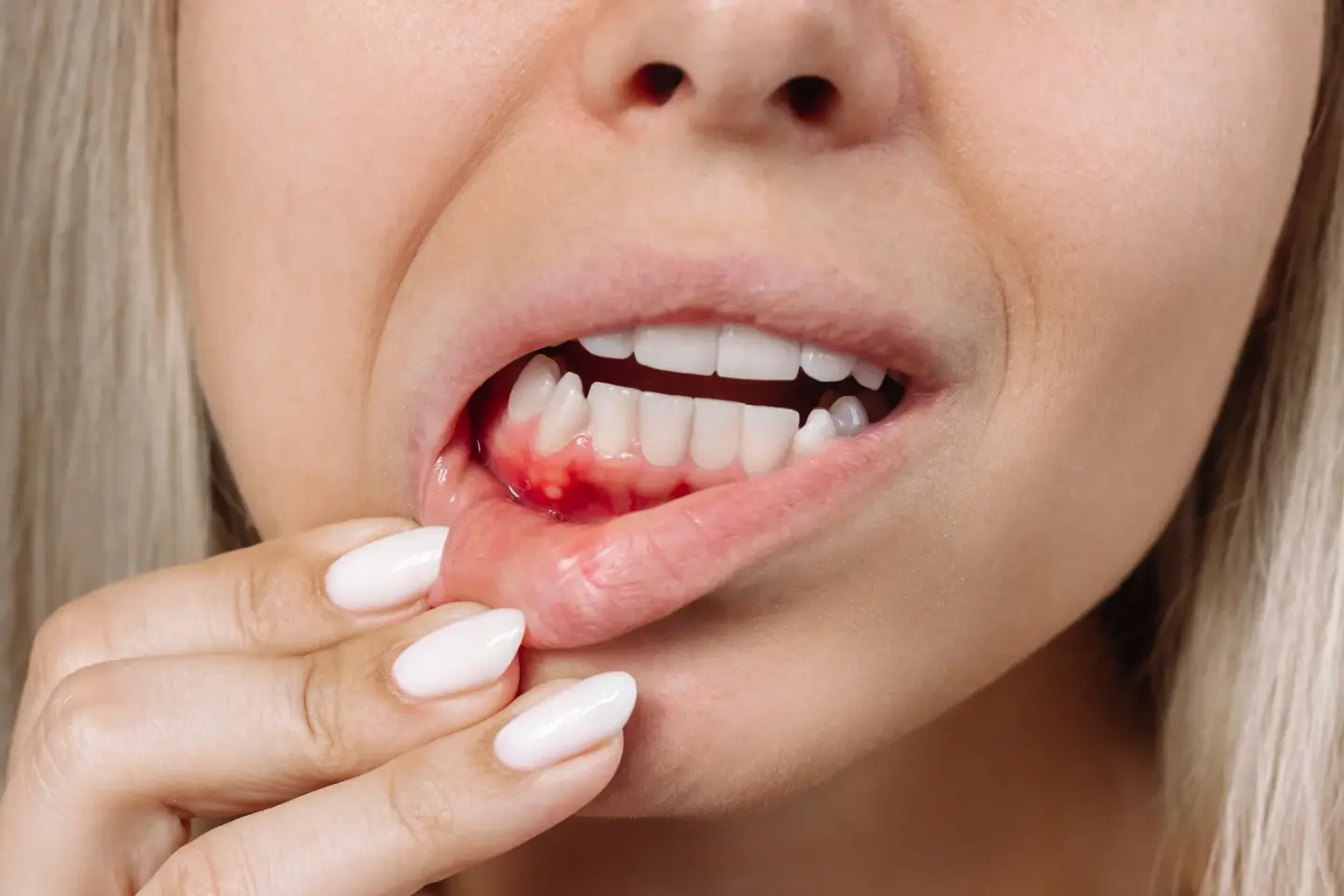
Maybe you noticed it while brushing. One tooth looks a little longer than its neighbors, or there's a notch near the gumline you don't remember seeing before. Or maybe it was a twinge of sensitivity when you sipped your coffee. Either way, you started wondering what's going on.
You may be dealing with gum recession. It's common; it often creeps in slowly, and a lot of people don't realize it's happening until it has been going on for a while. The good news is that learning about it early gives you more options. At Needham Dentistry & Implants, we talk with patients about this regularly, so let's walk through what it is, why it happens, and what can be done.
What Is Gum Recession, Exactly?
Gum recession happens when the gum tissue around your teeth pulls back or wears away, exposing more of the tooth and sometimes the root. Your gums normally sit snugly around each tooth like a collar. When that collar shifts downward, small pockets can form near the gumline, which makes it easier for bacteria to collect.
Here's the part that surprises people. Roots don't have the hard enamel coating that the crown of the tooth does. So when they're exposed, they tend to be more sensitive and can be more vulnerable to decay. That's why gum recession isn't just a cosmetic issue, even though many people first notice how it looks.
What Causes Gum Recession?
There usually isn't a single cause. More often, a few things stack up over time.
- Gum disease: Bacterial infections of the gums can break down gum tissue and the bone that supports teeth. It's one of the leading reasons gums recede.
- Brushing too hard: Scrubbing with a firm brush or heavy pressure can wear down gum tissue over the years. It's a classic case of trying too hard.
- Genetics: Some people simply have thinner gum tissue, or are more prone to recession, regardless of how well they care for their teeth.
- Teeth grinding or clenching: Extra force on the teeth may contribute to recession in some people.
- Tobacco use: Smoking and other tobacco products are linked with a higher risk of gum problems.
- Misaligned teeth or a bad bite: If teeth sit in positions that put extra stress on certain areas of the gums, those spots may be more likely to recede.
- Hormonal changes: Shifts during pregnancy, menopause, and other life stages can make gums more sensitive and more prone to irritation.
- Piercings and certain dental work: Lip or tongue jewelry can rub against gum tissue, and poorly fitting restorations may irritate it.
Often a person has two or three of these going on at once, which is part of why a dental exam is more helpful than guessing.
What Are the Warning Signs of Gum Recession?
Because it tends to move slowly, early gum recession is easy to overlook. A few signs are worth watching for.
- Teeth that look longer: This happens because more of the tooth is showing than before.
- Sensitivity to hot, cold, or sweets: Exposed roots can react to temperature and certain foods.
- A notch or ridge near the gumline: You may be able to feel it with your tongue or fingernail.
- Red, swollen, or bleeding gums: These can point to gum disease, which may be tied to recession.
- Bad breath that won't go away: Bacteria trapped near the gumline can contribute.
- Loose-feeling teeth: In more advanced cases, supporting tissue and bone may be affected.
Keep in mind that having one of these doesn't mean you definitely have gum recession. Other conditions can look similar, which is another reason to get checked.
Can Gum Recession Be Reversed?
It's one of the most common questions people type into a search bar, and the answer is a bit nuanced. Gum tissue doesn't typically grow back on its own once it's gone. So in most cases, recession itself isn't something you can brush or rinse away.
That said, it can often be managed. Treatment may help protect the exposed areas, support healthier gums, and keep things from getting worse. Some procedures can even restore gum coverage in certain situations. What's right for you depends on how much recession there is, what's causing it, and the health of the surrounding tissue and bone. Your dentist can explain which options may fit.
What Are the Treatment Options for Gum Recession?
Treatment is never one-size-fits-all, but here are some of the approaches your dentist might discuss.
- Improving home care: For mild cases, the first step is often a gentler routine. A soft-bristled toothbrush, lighter pressure, and good flossing habits can make a real difference.
- Deep cleaning: If gum disease is part of the picture, a scaling and root planing treatment may be recommended. It cleans bacteria and buildup from below the gumline, so gums have a chance to heal.
- Bonding or desensitizing treatments: Where roots are exposed and sensitive, your dentist may apply a material to help protect the area and ease discomfort.
- Orthodontic or bite adjustments: If crooked teeth or bite issues are contributing, correcting them may help reduce stress on the gums.
- Night guard: For people who grind their teeth, a custom guard may help protect teeth and gum tissue.
- Gum grafting: In more advanced cases, tissue may be taken from another area of the mouth and placed over the exposed root. A dentist or periodontist can tell you whether this is a good option for your situation.
Many patients start with simple steps and move to more involved care only if needed. You'll always have a chance to ask questions before deciding.
How Can You Prevent Gum Recession at Home?
Prevention is mostly about the basics, done consistently. Brush twice a day with a soft brush, using gentle circles instead of aggressive scrubbing. Floss daily, because plaque between teeth is a major contributor to gum disease. If you grind your teeth, ask about a night guard. If you use tobacco, cutting back or quitting can be a big help for your gums.
And don't skip checkups. Dentists can measure your gum levels over time and notice changes you'd never catch in the mirror. Catching recession early often means more options and simpler treatment.
Schedule a Gum Recession Evaluation at Needham Dentistry & Implants
If you've spotted changes along your gumline, there's no reason to sit and worry about it. The team at Needham Dentistry & Implants can examine your gums, look for possible causes of recession, and walk you through options that may make sense for you.
We'll keep things clear and low-pressure, and we're happy to answer whatever questions you have along the way. Contact Needham Dentistry & Implants today to book an appointment and take a practical step toward healthier gums.
Frequently Asked Questions About Gum Recession
Q: Is gum recession serious?
A: It can be. Mild recession may not cause problems right away, but exposed roots are more prone to sensitivity and decay. It's best to have it evaluated sooner rather than later.
Q: Does gum recession hurt?
A: Not always. Some people feel sensitivity to hot or cold, while others notice nothing at all until it has progressed. The absence of pain doesn't rule it out.
Q: Can brushing too hard cause receding gums?
A: It can contribute over time, especially with a stiff brush or heavy pressure. A soft brush and a gentle technique are usually kinder to your gums.
Q: Will receding gums grow back?
A: Gum tissue generally doesn't regrow by itself. Depending on the cause, your dentist can discuss ways to protect the area or restore coverage.
Q: Is gum recession the same as gum disease?
A: Not exactly. Gum disease is one possible cause of recession, but recession can also come from things like brushing habits, genetics, or grinding.
Q: When should I see a dentist about receding gums?
A: If you notice longer-looking teeth, new sensitivity, bleeding gums, or a notch near the gumline, it's a good idea to schedule an exam. Getting answers early gives you more choices.


Hours of Operation
Monday, Wednesday–Friday: 9:00 AM - 5:00 PM
Tuesday: 9:30 AM - 5:30 PM
Saturday & Sunday: Closed


© 2026 Needham Dentistry & Implants | All Rights Reserved | Privacy Policy | HIPAA Policy | Digital Marketing by Remedo