
What Are Dental Implants? A Complete Beginner’s Guide
Choosing to restore your smile is a significant decision that impacts both your health and your self-confidence. If you are exploring ways to replace missing teeth, you have likely heard about dental implants. This guide is designed to help you understand what they are, how they work, and why they are often considered the gold standard for tooth replacement.
Many people feel overwhelmed when they start researching restorative dentistry. It is natural to have questions about the process, the longevity of the results, and the daily experience of living with an implant. By focusing on the fundamentals, we can strip away the clinical jargon and look at how this technology actually serves your lifestyle and oral health.
What Exactly Are Dental Implants and How Do They Work
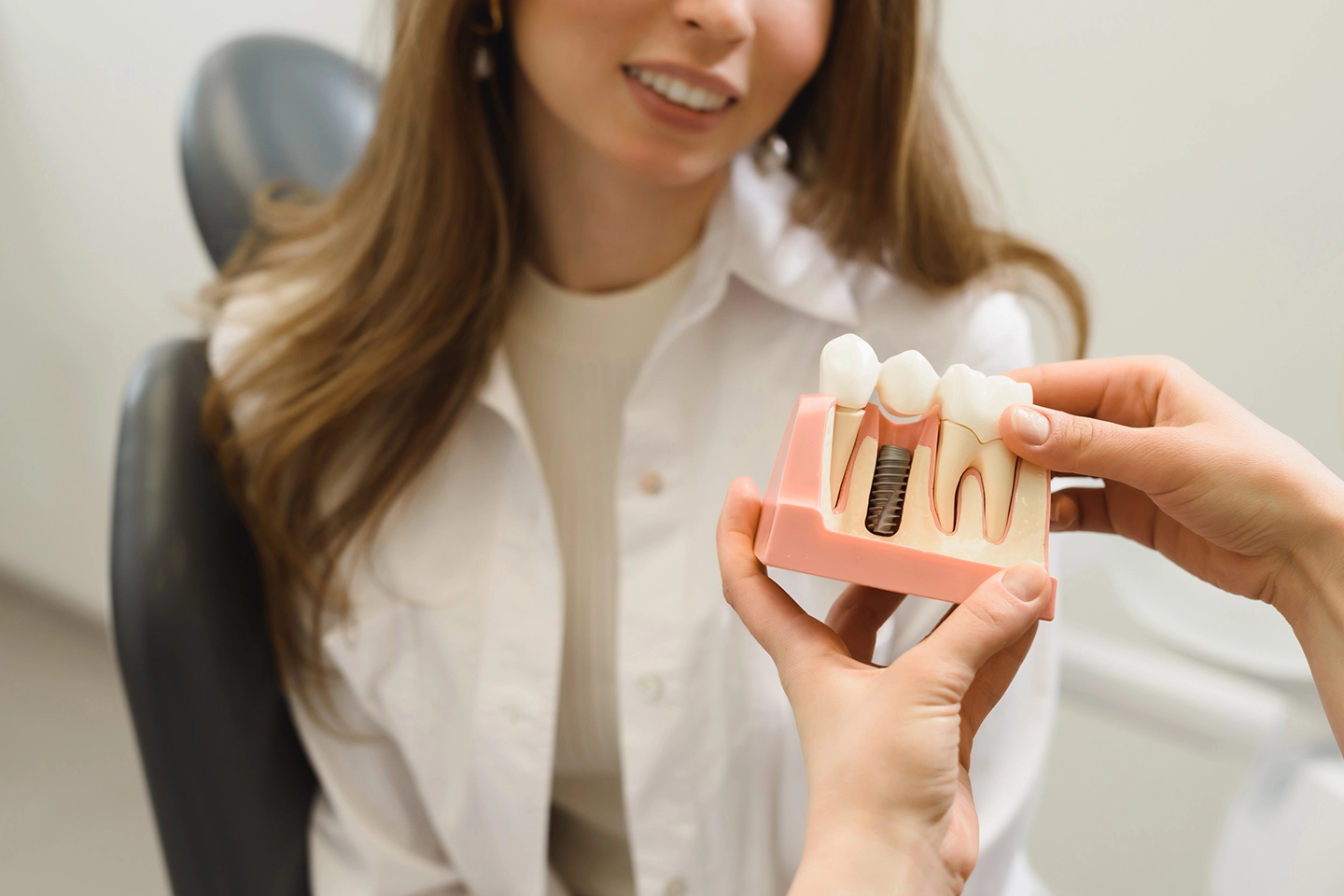
A dental implant is essentially a small post that acts as a replacement for the root of a missing tooth. Most are made of titanium, a material that is well tolerated by the human body and has the unique ability to fuse with your natural bone. This process is what makes the restoration so stable.
The system typically consists of three main parts. First is the implant post itself, which is placed into the jawbone. Second is the abutment, which sits on top of the post and serves as a connector. Finally, a custom-made crown is attached to the abutment. This crown is designed to match the shape and color of your surrounding teeth, making it look and feel remarkably natural.
Unlike other options that sit on top of the gums, dental implants integrate directly with your anatomy. This structural connection provides a level of security that allows you to eat, speak, and smile without worrying that a prosthetic might slip or click.
What Are the Primary Benefits of Implants for Oral Health
When you lose a tooth, the impact goes beyond the visible gap in your smile. The jawbone requires the stimulation of a tooth root to maintain its density. Without that stimulation, the bone can begin to resorb or shrink over time. One of the most significant benefits of implants is their ability to preserve the jawbone and maintain the natural structure of your face.
Another advantage involves the health of your remaining teeth. Traditional bridges often require the filing down of adjacent healthy teeth to serve as anchors. Because dental implants are self-sustaining, they do not rely on neighboring teeth for support. This means your healthy, natural teeth remain untouched and intact.
Furthermore, dental implants offer a level of convenience and comfort that is hard to match. They eliminate the need for messy adhesives and the specialized cleaning routines associated with removable options. Most people find that once the healing process is complete, they forget the implant is even there.
What Should You Expect During the Dental Implant Process
The journey to a restored smile is a multi-step process that prioritizes your comfort and long-term success. It begins with a comprehensive evaluation where your dentist will use imaging to assess your bone density and plan the precise placement of the post.
The initial placement is a minor procedure. After the post is positioned, a period of healing follows. During this time, the bone grows around the post in a process called osseointegration. This phase can take several months, but it is the foundation for the strength and durability of the final result.
Once the site has healed, the abutment and the final crown are placed. Each crown is crafted specifically for you, ensuring that the bite feels comfortable and the aesthetic is seamless. While the timeline requires patience, the result is a permanent solution that functions just like a natural part of your body.
Why Dental Implants Are a Reliable Solution for Tooth Loss
The technology behind dental implants has been refined over decades. Today, the success rates for these procedures are very high, and they are widely recognized for their predictability. For many individuals, they represent a one-time investment in their oral health and quality of life.
Beyond the clinical success, there is a deep emotional benefit. Losing teeth can lead to self-consciousness or changes in dietary habits. Reclaiming the ability to enjoy a favorite meal or laugh freely in social settings is often the most rewarding part of the journey for patients.
By choosing a solution that mimics the biology of a natural tooth, you are choosing a path that supports whole mouth health. It is not just about filling a gap; it is about restoring the harmony and function of your entire dental system.
How to Care for Implants to Ensure Long-Term Success
One of the best things about dental implants is that they do not require a complicated new routine. You care for them much like you do your natural teeth. However, consistency is the key to ensuring they last for many years.
Daily brushing and flossing are essential. Even though the implant itself cannot develop a cavity, the surrounding gum tissue and bone must stay healthy to support the post. Plaque and bacteria can still accumulate around the restoration, so thorough cleaning is vital to prevent inflammation or infection.
Regular checkups with your dental team are also a crucial part of the process. During these visits, professionals can monitor the integrity of the implant and ensure the surrounding tissues remain in peak condition. Avoiding habits like smoking or chewing on ice can also help protect your investment and keep your smile looking its best.
Frequently Asked Questions about Dental Implants
Q: Is the procedure for dental implants painful?
A: Most patients report that the discomfort is minimal and manageable. Local anesthesia is used during the placement to ensure you are comfortable.
Q: How long do dental implants typically last?
A: With proper care and regular professional cleanings, dental implants are designed to be a long-term solution. While the crown might need replacement due to normal wear over many years, the implant post itself can last a lifetime for many people.
Q: Can anyone get dental implants?
A: Most adults in good general health are candidates for the procedure. The primary requirement is having enough bone density to support the post.
Q: Do dental implants look like real teeth?
A: Yes, the crowns are custom-made to match the color, size, and shape of your existing teeth. They are designed to blend in so well that most people will not be able to tell the difference between the implant and your natural teeth.
Q: How do I clean under the implant?
A: You can use standard floss or specialized tools like interdental brushes to clean around the abutment area. Your dental hygienist can show you the best techniques to keep the area pristine.
Schedule Your Consultation at Needham Dentistry & Implants
Taking the first step toward a healthier smile is simple. If you are ready to explore your options and see if dental implants are the right fit for your needs, our team is here to help. We focus on providing personalized care in a welcoming environment, ensuring you have all the information necessary to make an informed choice.
You do not have to settle for a smile that feels incomplete. Whether you are missing a single tooth or several, modern dentistry offers paths to restoration that are both beautiful and functional. Reach out today to book your appointment at Needham Dentistry & Implants for a comprehensive consultation and begin your journey toward a confident and complete smile.


Hours of Operation
Monday, Wednesday–Friday: 9:00 AM - 5:00 PM
Tuesday: 9:30 AM - 5:30 PM
Saturday & Sunday: Closed


© 2026 Needham Dentistry & Implants | All Rights Reserved | Privacy Policy | HIPAA Policy | Digital Marketing by Remedo