
Is Your Snoring a Health Risk? Can Dental Treatments Help
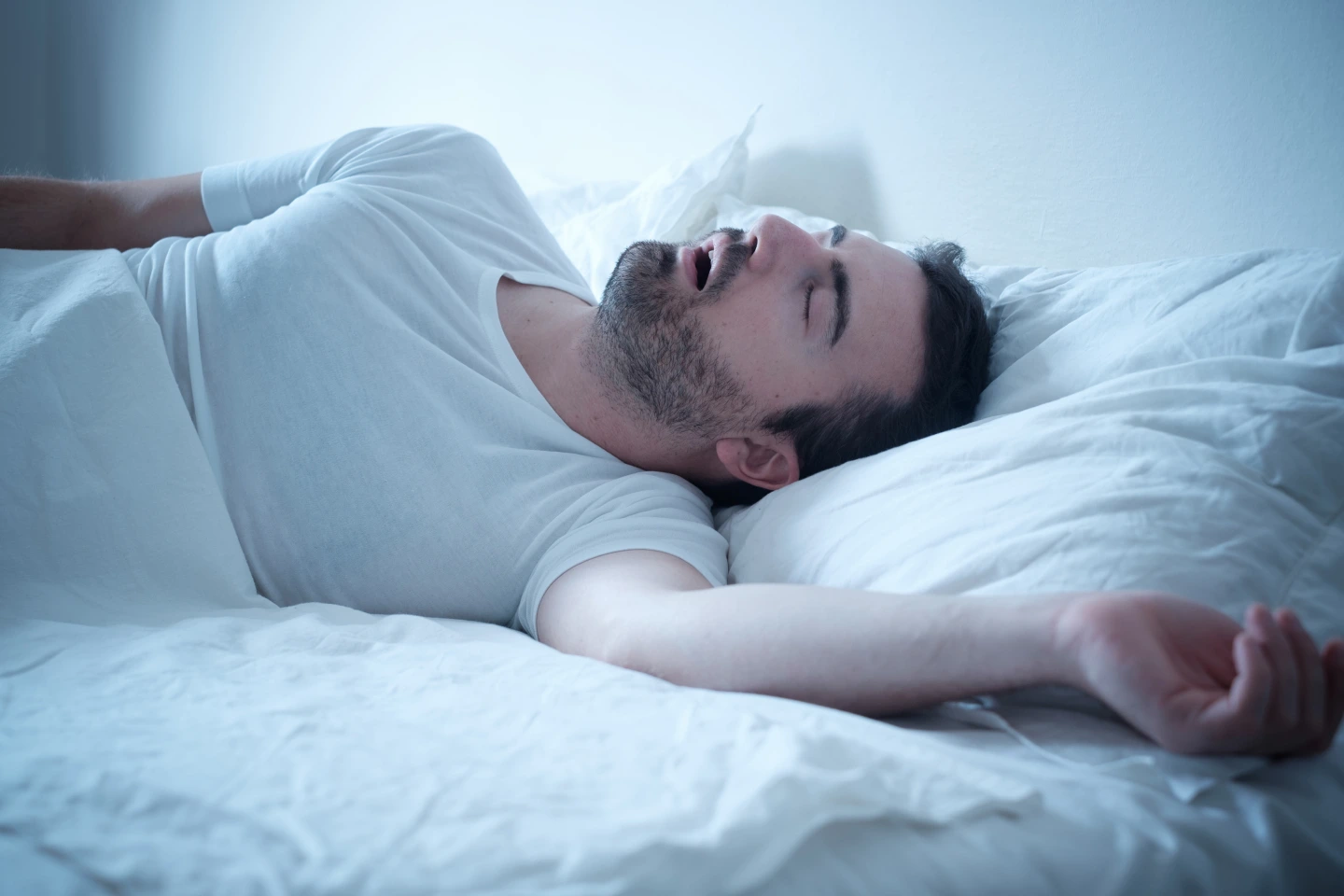
Snoring is one of those things we often laugh off as a noisy habit. Most people just blame a long day or a bad sleeping position and leave it at that. But for some, that nightly noise is actually a signal that something deeper is happening with their breathing. It can quietly drain your energy and mess with your focus, often without you even realizing why you feel so tired the next day.
What most people find surprising is that a dentist can actually be a key partner in managing snoring and certain sleep issues. For many patients, a custom oral appliance for sleep apnea can make a world of difference by keeping the airway open and helping them breathe easier throughout the night. If you have been looking for snoring treatment in Needham, MA, it helps to know what is causing the noise and what your options look like before deciding on the next step.
What Causes Snoring and When Should You Be Concerned?
At its simplest level, snoring happens because your airflow is getting restricted. When air has to push through narrowed tissues in your throat or mouth, those tissues vibrate and create that familiar sound. While everyone snores occasionally, like during a bad cold or after a couple of drinks, persistent snoring can sometimes be a red flag for obstructive sleep apnea.
A few things that often contribute to snoring include:
- Natural relaxation of throat muscles during deep sleep
- Congestion or seasonal allergies
- Sleeping flat on your back
- The specific shape of your jaw or airway
- Smoking or alcohol use
Just because you snore does not mean you have sleep apnea, but it is worth checking out if you notice things like morning headaches, a very dry mouth when you wake up, or feeling like you can never get enough coffee during the day. Many patients seeking snoring treatment in Needham, MA, finally come in after a partner mentions they noticed pauses in their breathing or gasping sounds during the night.
How Sleep Apnea Can Affect Overall Health
Sleep apnea is a bit more serious than standard snoring because your breathing actually stops or becomes very shallow repeatedly. This drops your oxygen levels and yanks you out of the deep, restorative sleep your brain needs. While everyone experiences it differently, leaving it unaddressed can lead to a constant fog of fatigue and put extra strain on your body over time.
Because the symptoms can mimic so many other health issues, getting a proper diagnosis is vital. Our team often works right alongside sleep specialists and physicians to make sure patients are getting the right type of care for their specific situation.
How an Oral Appliance for Sleep Apnea Works
Think of an oral appliance for sleep apnea as a high-tech, custom-fit mouthguard. You wear it only while you sleep, and its job is to subtly shift your jaw or tongue forward. This tiny adjustment helps keep your airway from collapsing, which can lead to much quieter and more consistent breathing.
For a lot of people, these devices are a great alternative to a CPAP machine, especially if they find the masks or the humming noise of the machine hard to deal with. They are small, they do not require a power outlet, and they are easy to toss in a bag when you travel. Of course, they are not a universal fix for everyone, so a professional assessment is the only way to know if it is the right path for you.
Who May Benefit From Snoring Treatment in Needham, MA?
It is a common myth that only older adults struggle with sleep breathing issues. In reality, it affects people of all ages. Some of our patients come in because they are tired of feeling exhausted, while others are motivated by a spouse who is losing sleep because of the noise.
You might want to explore your options if you:
- Snore loudly on a regular basis
- Still feel drained after eight hours of sleep
- Have trouble sticking with a CPAP routine
- Wake up with frequent headaches
At Needham Dentistry & Implants, we look at the whole picture, from your symptoms to your physical airway anatomy, before suggesting a plan.
What to Expect During a Dental Sleep Apnea Consultation
If you are nervous about an evaluation, don't be. It is mostly a conversation about your history and a physical look at how your jaw and throat are structured. During a visit to Needham Dentistry & Implants, we will chat about your sleep patterns, check your bite alignment, and see if an oral appliance makes sense for you. Usually, we will coordinate with a sleep doctor to see if a formal sleep study is needed to get the full picture before moving forward.
Why More Patients Are Exploring Oral Appliance Therapy
While CPAP machines are very effective, they can be a struggle to live with. Some people feel claustrophobic in the masks or find the tubing frustrating. That is why so many patients are moving toward oral appliances. They are discreet, non-surgical, and custom-made to fit your mouth perfectly. It is a much lower-profile way to handle a significant health concern.
Lifestyle Changes That May Help Reduce Snoring
While professional treatment is often necessary, there are a few habits you can try at home to help quiet things down:
- Try training yourself to sleep on your side
- Keep a steady sleep schedule to help your body regulate
- Watch alcohol intake before bed, as it over-relaxes throat muscles
- Address any lingering nasal congestion or allergies
These changes might not stop the snoring entirely, but they can certainly help the treatment work more effectively.
When to Seek Professional Help for Snoring
It is easy to ignore snoring for years, but you do not have to just live with it. If it is affecting your mood, your energy, or your relationship, it is time to talk to someone. Early intervention can prevent more serious health issues down the road and, more importantly, help you finally wake up feeling refreshed.
If you are looking into snoring treatment in Needham, MA, Needham Dentistry & Implants is here to help you navigate those options and figure out what fits your life best. Book your appointment.
FAQs
Q: Is snoring always a sign of sleep apnea?
A: Not necessarily. It can be caused by allergies or just the way you are positioned. But if it is loud and constant, it is a good idea to get it checked.
Q: What is an oral appliance for sleep apnea?
A: It is a custom dental device that gently repositions your jaw to keep your airway open while you sleep.
Q: Can dentists help with snoring treatment?
A: Yes, many dentists are trained in dental sleep medicine and work with physicians to provide oral appliance therapy.
Q: Is oral appliance therapy comfortable?
A: Most patients find them quite easy to get used to since they are custom-molded to your teeth.
Q: Do I need a sleep study before treatment?
A: Often, yes. A sleep study helps confirm what is happening while you sleep, so we can treat it safely.
Q: Can children develop sleep apnea?
A: They can, though the causes are often different from those in adults. It is always best to have a professional take a look.
Q: How long does it take to get used to an oral appliance?
A: It varies, but most people feel comfortable with it after just a few nights.
Q: Can lifestyle changes reduce snoring?
A: Things like side-sleeping or managing allergies can definitely help, even if they don't replace professional treatment.


Hours of Operation
Monday, Wednesday–Friday: 9:00 AM - 5:00 PM
Tuesday: 9:30 AM - 5:30 PM
Saturday & Sunday: Closed


© 2026 Needham Dentistry & Implants | All Rights Reserved | Privacy Policy | HIPAA Policy | Digital Marketing by Remedo