
Oral Cancer Screening: What Happens and Who Needs It
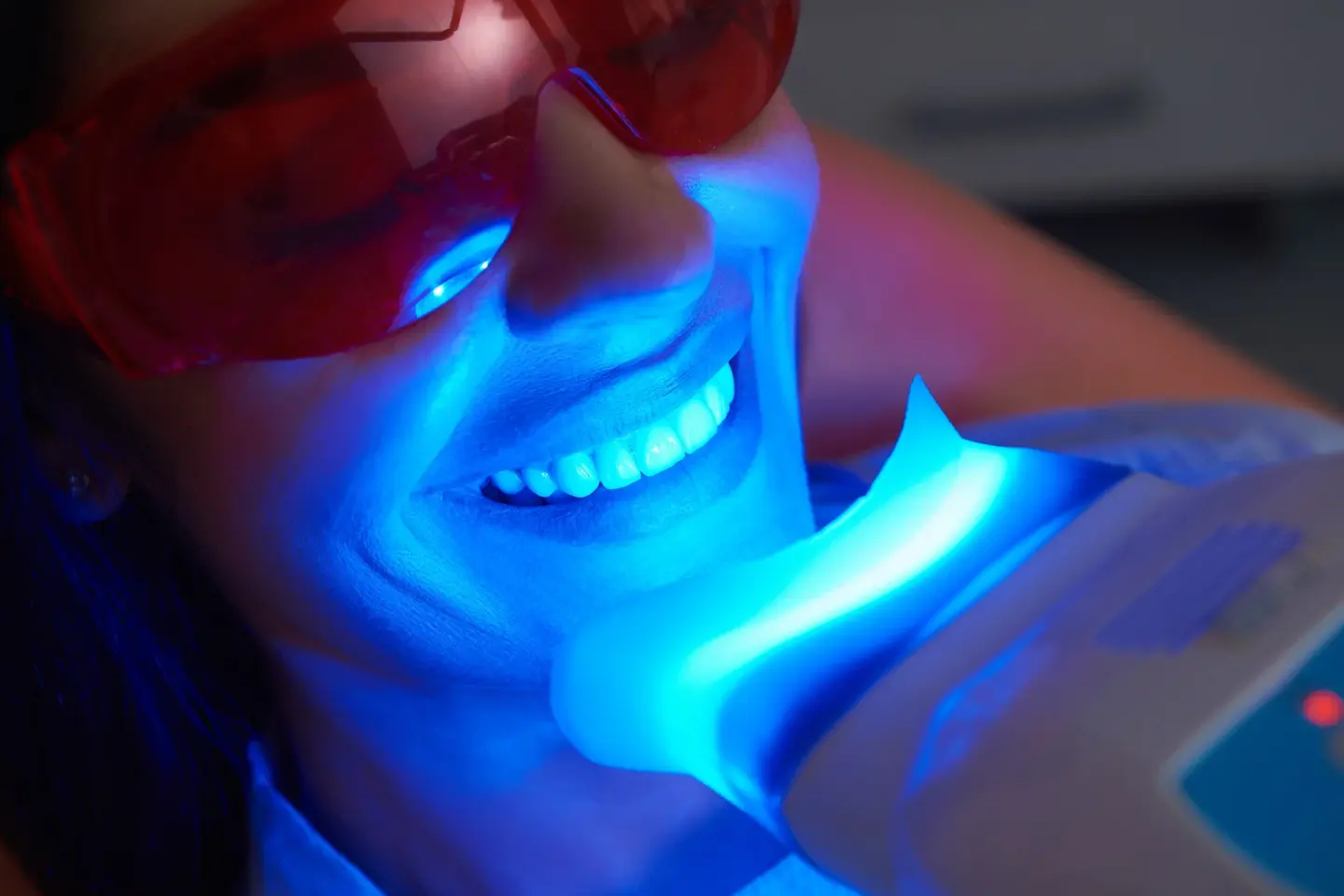
An oral cancer screening is a quick, painless check of your mouth, lips, tongue and throat, done by your dentist as part of a routine exam. It takes only a few minutes. The reason it matters is simple: you cannot see most of the places these cancers start, and early changes are easy to miss on your own.
What happens during the screening
There is nothing to prepare, and no needles or blood tests. We look and feel for anything unusual:
· Lips and the inside of your cheeks
· Gums and the roof and floor of your mouth
· Tongue, including the sides and underside
· The back of the throat
· The neck and jaw, checked by gently feeling for lumps or swollen nodes
The exam is visual and physical. Our oral cancer screening describes our approach, and it is part of what we do at a new patient exam too, as our new patients explains.
Who is at higher risk?
Anyone can develop oral cancer, but some factors raise the risk:
· Tobacco of any kind, including smokeless tobacco and vaping
· Heavy alcohol use, especially combined with tobacco
· Human papillomavirus (HPV) infection
· Significant sun exposure to the lips
· A personal or family history of cancer
Many people who are diagnosed have no obvious risk factor, which is why screening is offered to everyone, not just higher risk patients.
Warning signs to watch for
Check your own mouth now and then, in good light. Look for:
· A sore or ulcer that has not healed in about two weeks
· White or red patches on the gums, tongue or lining of the mouth
· A lump or thickened area
· Numbness or unexplained pain in the mouth, tongue or lip
· Difficulty chewing, swallowing or moving the jaw
· A persistent sore throat or hoarseness
· Loose teeth or poorly fitting dentures with no clear cause
Most of these turn out to be harmless, from a bitten cheek to a canker sore. The rule is persistence. If something has not gone away in two weeks, get it examined rather than waiting.
How often should you be screened?
We recommend a screening at every dental checkup. Most patients visit about every six months, and your checkups and cleanings include it. If you smoke, drink heavily or have other risk factors, mention it so we can keep an especially close eye on your mouth. Our article on how often to visit the dentist explains how we set your schedule.
What if we find something?
Finding something does not mean you have cancer. Most spots we flag are benign. The usual path is to watch the area for a short time to see whether it heals, or to refer you for a biopsy, which is the only way to confirm what a lesion is. A biopsy is a small tissue sample that a specialist examines. We will explain each step, who will see you, and what the timeline looks like, and we will follow up with you.
You might hear about special lights and dyes used in screening. These can be used as extra tools, but a careful visual and hands on exam is the foundation, and the evidence for the add ons is less clear.
Why screening fits into preventive care
Screening works best as one piece of a broader routine: cleanings, gum care, and healthy habits. Our preventive dentistry page covers the rest. Healthy gums also make changes easier to spot, and our gum treatment team can help if yours are inflamed.
Lowering your risk
· Stop using tobacco, and ask us for help finding support
· Limit alcohol
· Protect your lips with sunscreen balm
· Ask your physician about HPV vaccination
· Keep your regular checkups
Book your screening
A screening takes only a few minutes of a regular visit, and it can catch problems when they are easiest to treat. If it has been more than six months since your last exam, contact Needham Dentistry & Implants or call (781) 444-4647. You can also meet the team before you book. We accept most major insurance plans and offer CareCredit, Cherry and in house financing.
FAQs
Q. Is an oral cancer screening painful?
No. It is a visual and hands on exam of your mouth, throat and neck, and it takes only a few minutes.
Q. Do I need a screening if I do not smoke?
Yes. Many people diagnosed with oral cancer have no obvious risk factors, so screening is recommended at routine visits for everyone.
Q. What are the first signs of oral cancer?
Common early signs include a sore that does not heal, white or red patches, a lump, or unexplained numbness or pain. Most are not cancer, but anything lasting two weeks should be checked.
Q. How often should I get screened?
At every regular checkup, which for most people is about every six months. We may suggest closer attention if you have risk factors.
Q. What happens if a spot looks suspicious?
We will explain what we see, monitor it or refer you for a biopsy, and follow up with you. Most flagged spots are not cancer.


Hours of Operation
Monday, Wednesday–Friday: 9:00 AM - 5:00 PM
Tuesday: 9:30 AM - 5:30 PM
Saturday & Sunday: Closed


© 2026 Needham Dentistry & Implants | All Rights Reserved | Privacy Policy | HIPAA Policy | Digital Marketing by Remedo