
How to Fix Gaps Between Teeth Without Traditional Braces
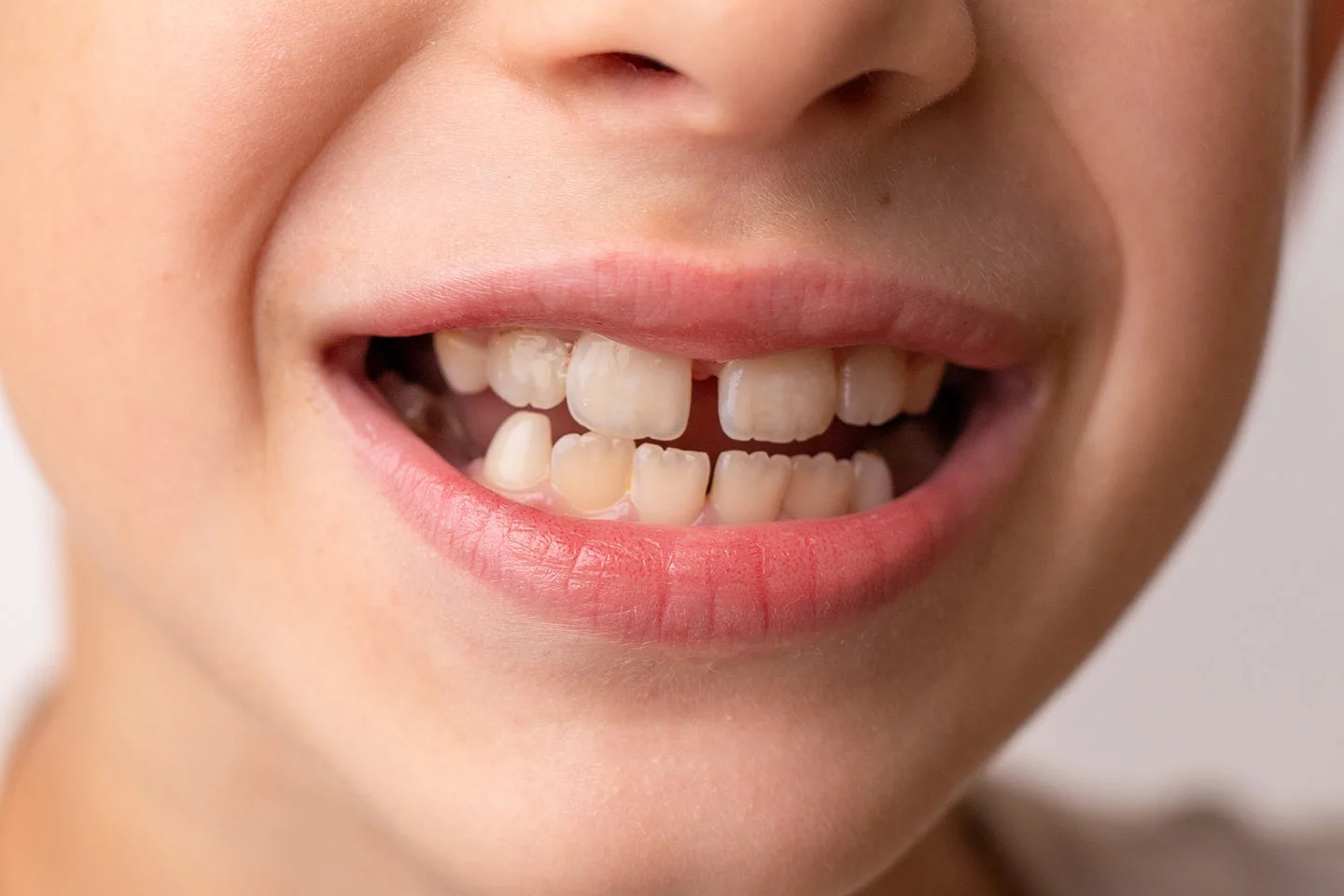
A gap between your front teeth can be charming on some people and a source of self-consciousness for others, and either way is completely valid. If you're on the side that would rather close it, the good news is you don't need to sign up for two years of metal brackets to get there. There are several ways to fix gaps between teeth without traditional braces, and depending on the size of the gap and what's causing it, one of them is probably a solid fit for you.
Let's go through the actual options, what each one involves, and how to think about which route might make the most sense for your situation.
What Causes Gaps Between Teeth in the First Place?
Before jumping into fixes, it helps to understand why the gap is there. Sometimes it's genetic, meaning your teeth are simply smaller than the space available in your jaw, so a gap forms naturally. Other times it's related to a missing tooth, an oversized labial frenum (that little piece of tissue between your upper lip and gums), or a habit like tongue thrusting that gradually pushes teeth apart over time.
Knowing the cause matters because it affects which of these gap-closing options will actually work well for you. A dentist can typically identify the reason during an exam, which then shapes the recommendation moving forward.
Clear Aligners: A Popular Way to Fix Gaps Between Teeth Without Traditional Braces
For a lot of adults, clear aligners are the first thing that comes to mind when they start looking into ways to fix gaps between teeth without traditional braces. These clear, removable trays gradually shift teeth into position over a series of custom-made aligners, swapped out every couple of weeks as your teeth move.
The appeal here is pretty obvious. Aligners are far less noticeable than metal brackets; they can be taken out to eat and brush, and for gaps that aren't too complex, treatment time can be shorter than people expect. That said, aligners do require a fair amount of discipline, since they only work if you're actually wearing them for the recommended hours each day.
Not every gap is a good candidate for aligners alone. More complex bite issues might still need traditional orthodontic treatment, so a consultation is really the only way to know for sure.
Dental Bonding: A Fast, Lower Cost Option for Small Gaps
If your gap is small and your bite is otherwise healthy, dental bonding might be worth asking about. This involves applying a tooth colored resin material to the edges of the teeth on either side of the gap, gradually building it up until the space closes visually.
Bonding is often one of the quicker ways to fix gaps between teeth without traditional braces, sometimes completed in a single visit. It's also generally less expensive than aligners or veneers, which makes it an appealing option for smaller gaps where moving the actual tooth position isn't necessary.
The tradeoff is that bonding material isn't quite as durable as some other options, and it can pick up staining over time depending on your diet and habits. Many patients find it holds up well for years with reasonable care, but it may eventually need touch-ups or replacement.
Veneers: A Longer-Lasting Cosmetic Solution
Porcelain veneers are another route some patients choose, particularly if they're also looking to address other cosmetic concerns at the same time, like tooth shape, color, or minor chips. Veneers are thin shells custom-made to fit over the front of your teeth, and they can be shaped to close gaps as part of the design process.
Compared to bonding, veneers tend to be more stain-resistant and generally hold up longer, though they do involve a bit more preparation of the natural tooth structure beforehand. For patients weighing multiple cosmetic goals alongside a gap, veneers are often discussed as a way to address several things in one treatment plan.
What About Dental Implants for Gaps Caused by a Missing Tooth?
Sometimes a gap isn't about spacing between two otherwise healthy teeth. It's because a tooth is missing entirely. In these cases, a dental implant can be a strong option, replacing the missing tooth with something that looks, feels, and functions like a natural one.
Unlike some of the cosmetic-only options above, an implant also supports the jawbone underneath, which helps prevent the bone loss that tends to follow when a missing tooth is left unaddressed. If your gap is due to a lost tooth rather than natural spacing, this is generally the option worth discussing first with your dentist.
How Do You Know Which Option Is Right for You?
With a handful of ways to fix gaps between teeth without traditional braces, picking the right one really comes down to a few factors. How big is the gap? Is it caused by spacing, a missing tooth, or something structural like a frenum? Are you also hoping to address other cosmetic concerns at the same time? And realistically, what's your budget and timeline?
A consultation is the most reliable way to sort through these questions, since your dentist can look at your specific situation, take any needed imaging, and lay out which options actually apply to you rather than guessing based on general advice online.
Why a Professional Evaluation Matters Before Choosing a Treatment
It can be tempting to go with whatever option sounds fastest or cheapest, but not every gap responds the same way to every treatment. A gap caused by a habit like tongue thrusting, for instance, might close temporarily with bonding but reopen over time if the underlying habit isn't addressed too. Getting a proper evaluation first helps avoid spending money on a fix that doesn't hold up.
Talk to Needham Dentistry & Implants About Closing Your Gap
Whether your gap needs clear aligners, bonding, veneers, or an implant to address a missing tooth, the right first step is a conversation with a dentist who can look at your specific case. At Needham Dentistry & Implants, we walk through all the realistic options with you, with no pressure toward one treatment over another, so you can choose what actually fits your goals and your life. Reach out to Needham Dentistry & Implants today to schedule a consultation and talk through what closing your gap could look like.
Frequently Asked Questions
Q: Can a small gap between teeth close on its own without treatment?
A: Generally no. Gaps caused by natural spacing or habits typically need some form of treatment to close and tend to stay the same or even widen slightly without intervention.
Q: How long does it take to close a gap with clear aligners?
A: Treatment time varies depending on the size of the gap and complexity of your bite, but many mild to moderate cases see noticeable movement within a few months.
Q: Is dental bonding a permanent fix for a gap?
A: Bonding is durable but not necessarily permanent. It can last several years with good care, though it may eventually need touch-ups or replacement depending on wear and staining.
Q: Are veneers a good option if I have more than one cosmetic concern?
A: Often, yes. Veneers can address gaps along with other issues like shape, color, or minor chips in a single treatment plan, which is part of why they're popular for broader smile makeovers.
Q: How do I know if my gap is caused by a missing tooth versus natural spacing?
A: A dental exam and imaging can determine the exact cause, which helps your dentist recommend the right treatment, whether that's an implant, aligners, bonding, or veneers.
Q: Does insurance typically cover treatment to close a gap between teeth?
A: Coverage depends on your specific plan and whether the treatment is considered cosmetic or medically necessary. Checking with your insurance provider or asking our office to verify benefits can clarify what applies to your situation.


Hours of Operation
Monday, Wednesday–Friday: 9:00 AM - 5:00 PM
Tuesday: 9:30 AM - 5:30 PM
Saturday & Sunday: Closed


© 2026 Needham Dentistry & Implants | All Rights Reserved | Privacy Policy | HIPAA Policy | Digital Marketing by Remedo