
Can Stress Affect Your Oral Health? Signs to Watch For
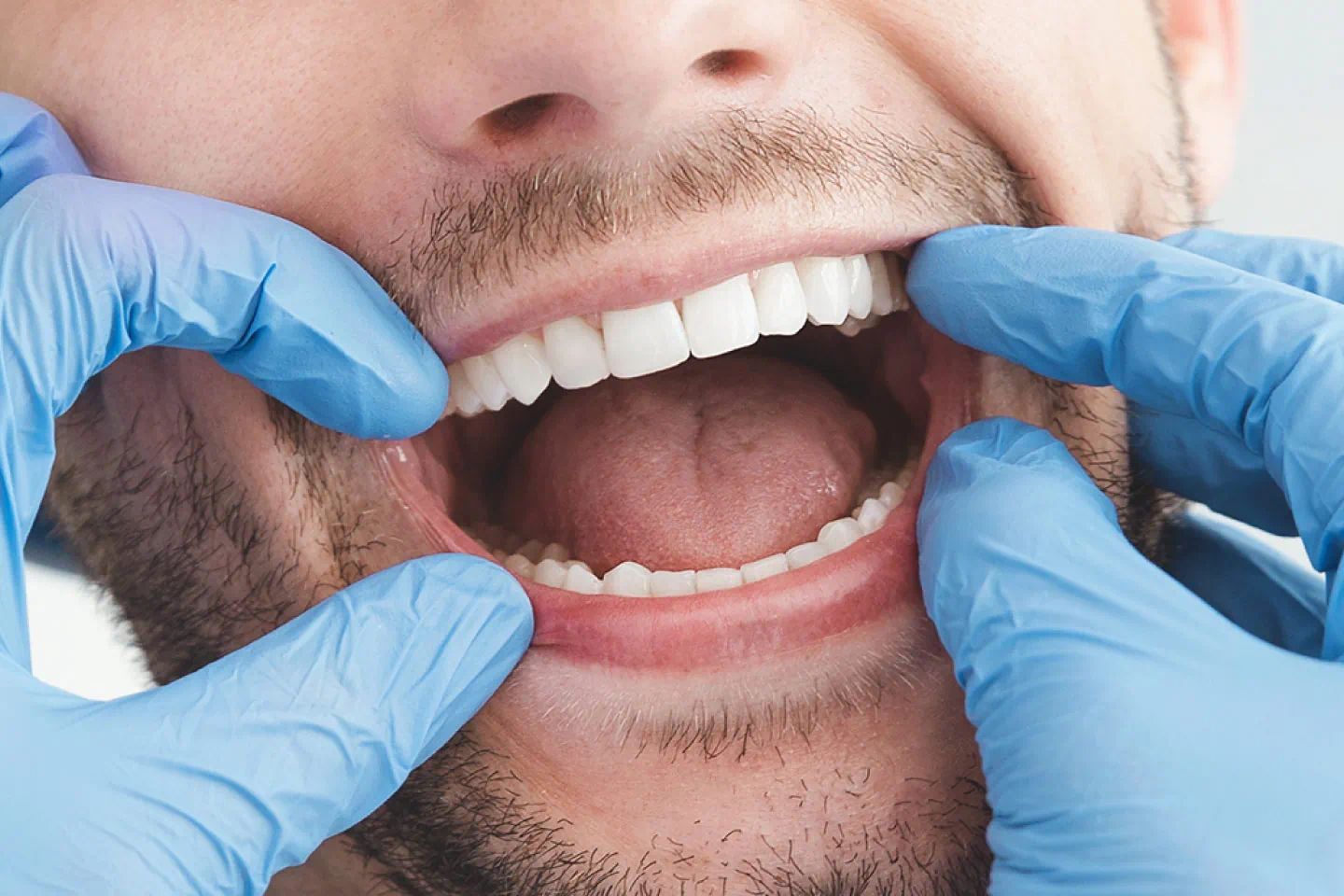
Stress doesn't hit everyone the same way. Some people lose sleep. Others carry it in their shoulders or feel it churning in their stomach. What a lot of folks don't realize? It's also showing up in their mouths. If you've been dealing with a sore jaw, worn-down teeth, or gums that seem angrier than usual, stress might be the culprit. At Needham Dentistry & Implants, we talk with patients about this connection all the time, and how to figure out whether what you're feeling is something to handle at home or something a dentist in Needham, MA needs to take a look at.
Here's the thing, though. Stress-related oral symptoms can look like a dozen other things. A cracked tooth might just be from biting down on something you shouldn't have. Sensitive gums might just mean you switched toothbrushes. So how do you know which explanation actually fits? That's the question this whole article is built around, because knowing what to watch for (and when to actually do something about it) makes a real difference in protecting your smile.
The Link Between Stress and Oral Health
Stress doesn't just mess with your mood or drain your energy. It affects your body at a chemical level. Stress hormones can crank up inflammation, throw off your immune response, and nudge you into habits you don't even notice, like clenching your jaw all day or skipping your evening brushing because you're just too worn out. Small changes. But they add up, and over time they can turn into real oral health problems.
How Stress Shows Up Differently From Person to Person
Not everyone feels stress in their mouth the same way. That's part of what makes this tricky. Some people grind their teeth at night and have zero clue until a partner complains about the noise, or a dentist points out the wear pattern at a checkup. Others notice their gums bleed more during a brutal work week, or a canker sore pops up right before a big deadline, like clockwork. Recognizing your own pattern is usually step one in figuring out what kind of attention your symptoms actually need.
Signs That Stress May Be Affecting Your Mouth
Stress Teeth Grinding and Jaw Clenching
One of the most common signs we see is stress teeth grinding, also called bruxism. It can happen during the day without you noticing, or at night while you're asleep. Signs include:
- Waking up with a sore jaw or a dull headache
- Teeth that look flattened, chipped, or suddenly more sensitive
- A clicking or popping sound when you open or close your mouth
- Tooth sensitivity to hot or cold that wasn't there before
If grinding sticks around for months or years, it wears down enamel and puts real strain on the jaw joint. Whether you just keep an eye on it or bring it up at your next visit really comes down to how often it happens, and how bad it gets.
Gum Sensitivity and Inflammation
Stress can weaken your immune system's ability to keep mouth bacteria in check, and that sometimes means gums that flare up more easily. You might notice bleeding when you floss, tenderness, or a redder color than usual. Occasional sensitivity? Not a big deal. Ongoing irritation? Worth paying attention to.
Dry Mouth
Stress can slow down saliva production, and saliva does a lot of quiet, unglamorous work. It washes away food particles and neutralizes acids all day long. A drier mouth feels uncomfortable, sure, but it can also raise your risk of cavities over time.
Canker Sores and Mouth Ulcers
A lot of people notice small sores inside their cheeks or on their tongue during rough stretches. Most clear up on their own. But frequent flare-ups can be a signal that stress is affecting your body more broadly than you'd think.
Changes in Oral Hygiene Habits
Easy one to miss. Stress often changes your behavior before it changes your biology. Skipping the nightly brush, rushing through flossing, reaching for sugary snacks more than usual- all of it quietly chips away at your oral health, even when the stress itself isn't touching your teeth directly.
How Do You Know Which Signs Need Professional Attention?
This is where a lot of patients get stuck. Some symptoms are mild and temporary, tied to one bad week or a busy season at work. Others point to something that's been building for months. A few things can help you sort out which is which.
Consider How Long the Symptom Has Lasted
One canker sore or one night of jaw soreness? Usually nothing to worry about. But if you've woken up with jaw pain several times a week for over a month, or a family member keeps mentioning the grinding sounds, that's a pattern. Not a one-off.
Consider the Intensity
Mild sensitivity that fades in a few minutes is a different animal than pain that gets in the way of eating or talking. The more a symptom disrupts your day, the more reason there is to get it looked at.
Consider Whether It's Getting Worse
Sometimes stress-related symptoms level off on their own once the stressful stretch passes. Other times they creep forward: more tooth wear, gums that get angrier instead of calmer. Tracking whether things are improving, holding steady, or sliding downhill helps you and your dental team figure out the next move.
Consider Your Overall Stress Levels
If you know you're in an unusually demanding stretch, personal or professional, it's reasonable to expect some temporary symptoms and handle them with simple fixes like a mouthguard or a steadier hygiene routine. But if the stress feels constant, chronic, never-ending, a closer evaluation can help prevent long-term wear on your teeth and gums.
Simple Ways to Support Your Oral Health During Stressful Times
You can't always make the stress disappear. But you can soften the damage it does to your mouth. Staying consistent with brushing and flossing, even on the nights you're running on fumes, keeps plaque from piling up. Drinking enough water helps offset dry mouth. If you suspect grinding, a nightguard takes pressure off your enamel and jaw joint. And keeping regular dental visits on the calendar means changes in your mouth get caught early, before they turn into bigger, pricier problems.
Ready to Get Started?
Noticed jaw soreness, worn teeth, gum irritation, or other changes that lined up with a stressful stretch? It's worth getting your mouth checked out. Needham Dentistry & Implants works with patients throughout Needham, MA to look closely at symptoms like these and talk through real options, whether that's a nightguard, a hygiene tweak, or just keeping tabs on things at your next visit. Reach out to schedule an appointment and get a clearer picture of what your mouth's been trying to tell you.
FAQs
Q: Can stress really cause dental problems, or is it just a coincidence?
A: Stress can drive up inflammation, throw off immune response, and fuel habits like teeth grinding, all of which can contribute to dental issues. It's not the only cause out there, but it's a recognized factor for a lot of patients.
Q: How can I tell if I'm grinding my teeth at night?
A: Common signs include waking up with a sore jaw, a headache, or noticing flattened or chipped spots on your teeth. Sometimes a partner will mention hearing the grinding while you sleep, and that's the first clue.
Q: Will stress-related mouth sores go away on their own?
A: Most canker sores and minor ulcers clear up within a week or two without any treatment. If they're frequent, unusually large, or slow to heal, mention it to your dental team.
Q: Is dry mouth from stress harmful long-term?
A: Occasional dry mouth usually isn't serious. Ongoing dry mouth is a different story, since saliva plays a real role in protecting your teeth, and a lack of it can raise your cavity risk. Staying hydrated and talking to your dentist can help.
Q: When should I schedule a dental visit for stress-related symptoms?
A: If symptoms stick around for more than a few weeks, seem to be getting worse, or start interfering with eating, sleeping, or talking, that's a reasonable time to schedule an evaluation. No need to wait it out.


Hours of Operation
Monday, Wednesday–Friday: 9:00 AM - 5:00 PM
Tuesday: 9:30 AM - 5:30 PM
Saturday & Sunday: Closed


© 2026 Needham Dentistry & Implants | All Rights Reserved | Privacy Policy | HIPAA Policy | Digital Marketing by Remedo