
Are Dental Veneers Worth It? Everything You Need to Know
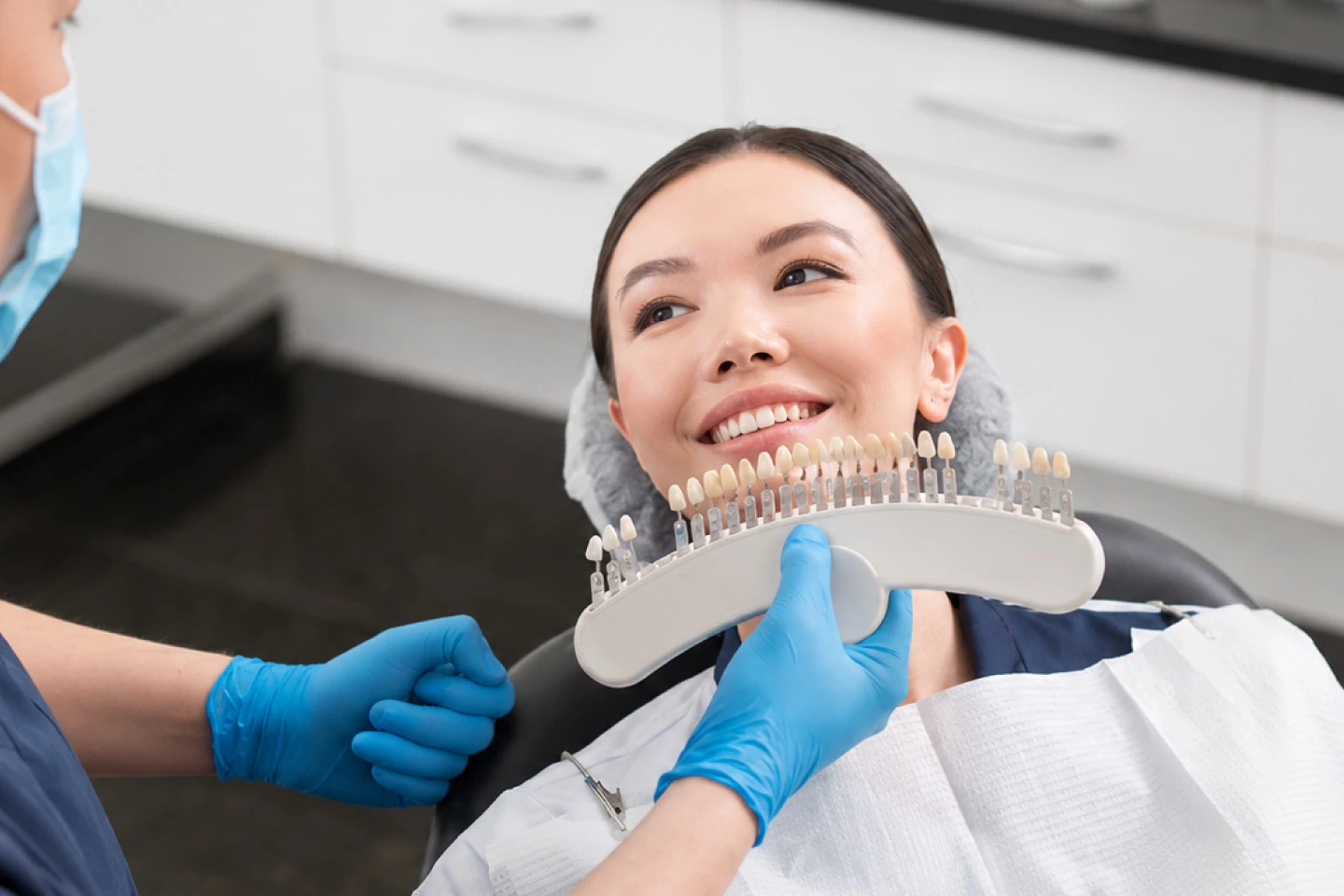
If you have ever felt self-conscious about gaps, chips, or deep stains on your teeth, you have probably looked into cosmetic dentistry. It is entirely natural to want a smile that makes you feel confident when you laugh or speak. When exploring ways to upgrade your look, dental veneers almost always top the list.
But let us be realistic: getting veneers is a big choice, both financially and structurally. It is not an overnight decision you jump into without all the facts. At Needham Dentistry & Implants, we believe you deserve an honest, human look at what the process involves, what it costs, and whether the investment makes sense for your lifestyle.
What Exactly Are Dental Veneers?
To decide if they are worth your time and money, you need to know what they actually are. A veneer is a wafer-thin, custom-made shell designed to cover the front surface of a tooth. Think of it like a protective, highly aesthetic shield that hides whatever is underneath.
We use veneers to correct a wide variety of minor cosmetic imperfections, including:
- Stubborn tooth discoloration that professional whitening cannot fix
- Minor cracks, chips, or jagged edges from normal wear and tear
- Small gaps or uneven spacing between your front teeth
- Slightly misshapen or crooked teeth that do not require full braces
At our office, we custom-craft these shells using premium dental porcelain or composite resin. Porcelain is highly popular because it mimics the natural translucent look of real enamel and resists stains beautifully.
The Pros and Cons: Weighing Your Investment
Like any dental treatment, veneers come with trade-offs. Looking at both sides of the coin helps you figure out if they align with your long-term expectations.
The Benefits of Veneers
The most obvious perk is an immediate confidence boost. Veneers can completely transform a smile in just a couple of appointments. Because porcelain is non-porous, it is incredibly resistant to surface stains from coffee, tea, and dark foods.
Additionally, veneers are highly versatile. Instead of getting orthodontic work for a minor gap and whitening for dark stains, veneers can fix both issues at the exact same time. They look completely natural because each shell is custom-shaded to complement your skin tone and facial structure.
The Drawbacks to Consider
The biggest factor to keep in mind is that the traditional veneer process is irreversible. To ensure the thin shell fits flush against your gums and does not look bulky, we have to gently remove a microscopic layer of your natural enamel. Once that enamel is gone, that tooth will always need to be covered by a veneer or a crown to stay protected.
While veneers are remarkably durable, they are not completely indestructible. If you bite down on ice, crunch on hard candy, or grind your teeth at night, you run the risk of chipping or cracking the porcelain.
How Long Do Dental Veneers Last?
When patients ask if veneers are worth it, they usually mean how many years of use am I going to get out of this investment?
On average, porcelain veneers last between ten and fifteen years. Composite resin veneers have a slightly shorter lifespan, typically lasting five to seven years.
The actual lifespan of your new smile depends heavily on your daily habits. Veneers do not require any special tools or complicated routines, but they do demand consistent care. If you practice good oral hygiene, avoid using your teeth as tools to open packages, and wear a protective nightguard if you clench your jaw, you can easily maximize the life of your investment.
Understanding the True Cost and Value
Veneers are a premium cosmetic treatment, which means they are a significant financial commitment up front. Because they are elective cosmetic procedures, traditional dental insurance plans rarely cover the cost.
However, when calculating the value, consider the emotional and social impact of feeling completely confident in your smile. For many patients at Needham Dentistry & Implants, the ability to smile freely without hiding their teeth completely changes how they carry themselves daily.
We also work hard to keep this treatment accessible. Our team can help you check for any partial insurance coverage if a veneer is being used to structurally repair a cracked tooth. We also offer flexible monthly payment options through financing partners like CareCredit, allowing you to break the total cost down into manageable monthly segments.
Are You a Good Candidate for Veneers?
Veneers work wonders for many people, but they are not the right fit for every mouth. To be a great candidate, your mouth needs a healthy foundation. That means your teeth must be free of major decay, and your gums must be completely healthy and free of inflammation.
If you have severe alignment issues or a heavily misaligned bite, we will likely recommend orthodontic treatment first. Similarly, if you are a heavy teeth-grinder, we will need to address that habit with a custom nightguard to ensure you do not accidentally damage your new porcelain shells.
Schedule a Smile Consultation in Needham, MA
The only way to know for sure if dental veneers are the right choice for your lifestyle is to talk with a professional. At Needham Dentistry & Implants, we take a collaborative, low-pressure approach. We will examine your teeth, listen to what you want to achieve, and give you an honest opinion on whether veneers or an alternative cosmetic option will give you the best results. Contact our friendly team in Needham, MA, today to schedule your consultation.
FAQs
Q: Does the process of getting veneers hurt?
A: No, the treatment is very comfortable. We use local anesthesia to completely numb your teeth while we prepare the enamel, so you will not feel pain. You might experience some mild, temporary sensitivity to hot or cold foods for a few days after your final placement, but this passes quickly.
Q: Can you just get a veneer on one tooth?
A: Yes, absolutely. If you have a single dark or chipped tooth, we can custom-craft a single veneer to match your surrounding teeth perfectly. However, many patients choose to get an even number of veneers, like two, four, or six, to ensure complete symmetry across their smile line.
Q: What happens if a veneer comes off or breaks?
A: If a veneer cracks or detaches, call our office right away. Do not try to glue it back on yourself with store-bought adhesives. Keep the piece safe if it is intact, and we will evaluate whether it can be safely rebonded or if a replacement needs to be ordered from the lab.
Q: Do veneers stain over time?
A: High-quality dental porcelain is highly stain-resistant, even more so than natural tooth enamel. While you do not have to worry about your morning coffee staining your veneers, it is still a good idea to practice routine brushing to protect the natural teeth, holding them in place.
Q: Can I still get cavities after getting veneers?
A: While the porcelain shell itself cannot decay, the natural tooth structure underneath and around the edges can still develop a cavity. This is why daily brushing, flossing, and regular professional cleanings remain essential for keeping your smile healthy.


Hours of Operation
Monday, Wednesday–Friday: 9:00 AM - 5:00 PM
Tuesday: 9:30 AM - 5:30 PM
Saturday & Sunday: Closed


© 2026 Needham Dentistry & Implants | All Rights Reserved | Privacy Policy | HIPAA Policy | Digital Marketing by Remedo